Alcohol dependency is a chronic medical condition characterised by an inability to control alcohol consumption despite negative consequences. Key signs include drinking more or for longer than intended, unsuccessful attempts to cut down, neglecting responsibilities, and experiencing withdrawal symptoms when not drinking. Physical signs may include tremors, sweating, and nausea, while psychological symptoms can involve anxiety, depression, and intense cravings.
Professional help should be sought when alcohol use interferes with daily life, relationships, or work, or when attempts to reduce consumption have failed. In Australia, treatment options are comprehensive and accessible through both public and private healthcare systems. The Therapeutic Goods Administration (TGA) has approved several evidence-based approaches including medical detoxification, counselling, support groups, and residential rehabilitation programmes.
Medication plays a crucial role in alcohol addiction recovery by reducing cravings, blocking the euphoric effects of alcohol, or creating unpleasant reactions when alcohol is consumed. These pharmaceutical interventions work best when combined with psychological support and lifestyle changes. Medical supervision during treatment is essential, particularly during withdrawal, as alcohol cessation can cause potentially dangerous complications including seizures and delirium tremens. Healthcare professionals can monitor vital signs, adjust medications, and provide immediate intervention if complications arise, ensuring a safer path to recovery.
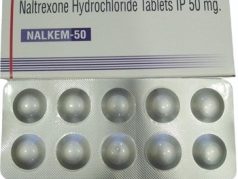
Several TGA-approved medications are available in Australia to support alcohol dependency treatment. Naltrexone (Revia) works by blocking opioid receptors in the brain, reducing the pleasurable effects of alcohol and decreasing cravings. Clinical studies show naltrexone can reduce heavy drinking days by up to 25% and is particularly effective for patients who have already achieved initial sobriety.
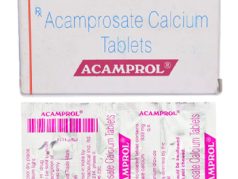
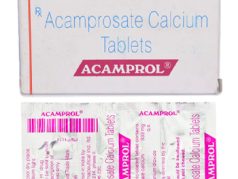
Acamprosate (Campral) helps restore normal brain chemistry by modulating neurotransmitter activity disrupted by chronic alcohol use. It's most suitable for patients who have already stopped drinking and helps prevent relapse by reducing withdrawal symptoms and cravings. Acamprosate is particularly effective for individuals with severe alcohol dependence and those experiencing protracted withdrawal symptoms.
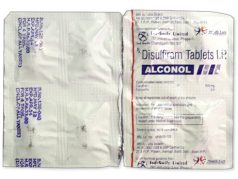
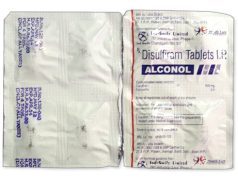
Disulfiram (Antabuse) creates an unpleasant reaction when alcohol is consumed, including nausea, vomiting, and flushing. Important precautions include:
All these medications require prescription from a qualified medical practitioner and ongoing monitoring. Combination therapy approaches, integrating multiple medications with counselling and support services, often provide the most comprehensive treatment outcomes for long-term recovery success.
Alcohol withdrawal can be a serious medical condition requiring careful management and professional supervision. Understanding the symptoms and treatment options is crucial for safe recovery.
Withdrawal symptoms typically begin 6-24 hours after the last drink and can include tremors, sweating, nausea, anxiety, and sleep disturbances. More severe symptoms like delirium tremens may occur 48-96 hours after cessation and require immediate medical attention.
Benzodiazepines remain the gold standard for managing withdrawal symptoms, helping to prevent seizures and reduce anxiety. Thiamine (Vitamin B1) supplementation is essential to prevent Wernicke-Korsakoff syndrome, a serious neurological condition. Anti-seizure medications may be prescribed when there's a high risk of withdrawal seizures.
Medical supervision is vital during withdrawal, particularly for individuals with a history of severe withdrawal symptoms. Healthcare providers will determine whether gradual tapering or medically supervised cessation is most appropriate based on individual circumstances, drinking history, and overall health status.
Recovery from alcohol dependence often requires addressing nutritional deficiencies and supporting overall health through targeted supplementation and medications.
Chronic alcohol use frequently leads to significant nutritional deficiencies. Key supplements include:
Liver support medications and supplements like milk thistle may help promote hepatic recovery. Sleep aids can be beneficial during early recovery when insomnia is common, though non-addictive options are preferred.
Anti-anxiety medications may be prescribed for ongoing support, though healthcare providers carefully balance benefits against potential for dependence. Both prescription and over-the-counter options are available, with selection based on individual needs and medical history under professional guidance.
Australia provides comprehensive support for alcohol dependence treatment through various government schemes and healthcare pathways. Understanding your options can help you access appropriate care more effectively.
The Pharmaceutical Benefits Scheme (PBS) covers several medications for alcohol dependence, including naltrexone and acamprosate, making treatment more affordable for eligible patients. Most alcohol dependence medications require a prescription from a GP or specialist, with some requiring specialist referrals or specific authority approvals.
Medicare provides rebates for consultations with GPs, psychiatrists, and addiction specialists involved in alcohol dependence treatment. Both public and private treatment options are available, with public services offering cost-effective care through hospitals and community health centres, whilst private facilities may provide shorter waiting times and additional amenities.
Australians in rural and remote areas can access treatment through telehealth services, visiting specialist programs, and local GP support. Many regional pharmacies participate in medication management programs to ensure continuity of care regardless of location.
Successful alcohol dependence treatment requires careful monitoring and awareness of potential risks to ensure your safety throughout the recovery process.
Alcohol dependence medications can interact with other prescription drugs, over-the-counter medications, and alcohol itself. Regular health monitoring, including liver function tests and blood pressure checks, is essential during treatment. Your healthcare provider will schedule appropriate follow-up appointments to track your progress.
Contact your healthcare provider immediately if you experience any concerning symptoms. Emergency situations requiring immediate medical attention include:
Sustainable recovery involves ongoing support through counselling, support groups, and lifestyle modifications. Regular pharmacy consultations can help monitor medication compliance and address any concerns about your treatment plan.