Allergic reactions occur when your immune system overreacts to normally harmless substances called allergens. During an allergic response, your body releases histamine and other inflammatory compounds, leading to symptoms such as sneezing, itching, swelling, and in severe cases, anaphylaxis. These reactions can range from mild discomfort to life-threatening emergencies.
Allergic reactions are classified into immediate and delayed responses. Immediate reactions, such as hay fever or food allergies, occur within minutes to hours of exposure. Delayed reactions, like contact dermatitis, may take 24-72 hours to develop and can persist for several days.
Antiallergic medications work by blocking histamine receptors, reducing inflammation, or preventing the release of allergic mediators. These treatments help manage symptoms and prevent complications from allergic responses.
Australia's unique environment presents specific allergenic challenges:
Seek immediate medical attention for severe reactions including difficulty breathing, widespread rash, or facial swelling. Consult healthcare professionals for persistent symptoms or when choosing appropriate antiallergic medications for your specific condition.
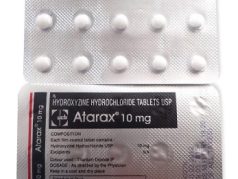
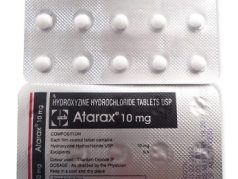
Antihistamines are the primary treatment for allergic reactions, working by blocking histamine H1 receptors that trigger allergic symptoms. By preventing histamine from binding to these receptors, antihistamines effectively reduce sneezing, itching, runny nose, and watery eyes associated with allergic responses.
Older antihistamines like Polaramine (dexchlorpheniramine) and Phenergan (promethazine) are highly effective but often cause drowsiness. These sedating options are particularly useful for nighttime symptom relief or when sleep disturbance is a concern. They're also beneficial for motion sickness and nausea.
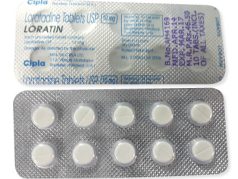
Modern non-sedating antihistamines including Claratyne (loratadine), Zyrtec (cetirizine), and Telfast (fexofenadine) provide 24-hour relief with minimal drowsiness. These medications are preferred for daytime use and long-term management of allergic conditions like hay fever.
Adult dosages typically range from 5-10mg daily for second-generation antihistamines, whilst children's doses are weight-based. Common side effects include dry mouth, headache, and fatigue. Avoid alcohol when taking sedating antihistamines, and consult your pharmacist about potential drug interactions, particularly with medications affecting the central nervous system.
Topical antiallergic treatments provide targeted relief for localised allergic reactions affecting the skin, eyes, and nasal passages. These treatments are particularly effective for managing symptoms at the source whilst minimising systemic side effects.
Antihistamine creams and lotions offer direct relief for localised skin reactions, including hives, eczema, and insect bites. Corticosteroid creams such as Advantan, Dermaid, and Egocort are highly effective for inflammatory skin conditions and allergic dermatitis. Calamine lotion and cooling gels provide immediate soothing relief from itching and irritation, making them ideal for heat rash and minor allergic reactions.
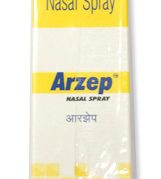
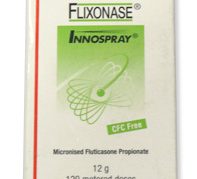
Specialised eye drops like Zaditen and Patanol effectively treat allergic conjunctivitis, reducing redness, itching, and watering. For allergic rhinitis, prescription nasal sprays including Dymista and Nasonex provide comprehensive relief from nasal congestion, sneezing, and runny nose.
Proper application techniques involve clean hands, gentle application to affected areas, and adherence to recommended duration guidelines to prevent skin thinning or rebound effects from prolonged use.
Severe allergic reactions require immediate and comprehensive management strategies. Life-threatening anaphylaxis demands quick access to emergency medications and proper treatment protocols to prevent serious complications.
Adrenaline auto-injectors, including EpiPen and Anapen, are essential first-line treatments for anaphylaxis. These devices deliver a precise dose of adrenaline to counteract severe allergic reactions and should be administered immediately when serious symptoms occur, including difficulty breathing, swelling of face or throat, or rapid pulse.
Corticosteroid tablets such as Prednisolone and Dexamethasone help manage severe inflammatory responses and prevent biphasic reactions. Hospital-grade treatments for anaphylaxis include intravenous medications and intensive monitoring.
Many Australians are exploring natural alternatives to complement traditional allergy treatments. Quercetin, a natural flavonoid found in onions, berries, and green tea, acts as a natural antihistamine by stabilising mast cells and reducing inflammatory responses. Probiotics have gained attention for their role in supporting immune system balance, with certain strains helping to regulate allergic responses through gut-immune system interactions.
Vitamin C functions as a natural antihistamine and anti-inflammatory agent, potentially reducing allergy symptoms when taken in appropriate doses. Herbal remedies like butterbur and stinging nettle have shown promise in clinical studies for managing hay fever symptoms, though standardised preparations are essential for safety and efficacy.
Simple home remedies such as saline nasal rinses and steam inhalation can provide immediate relief by flushing allergens from nasal passages and reducing congestion. However, natural doesn't always mean safe—some herbal remedies can interact with medications or cause adverse reactions. It's crucial to discuss these options with your pharmacist or healthcare provider before incorporating them into your allergy management routine, especially if you're taking other medications or have underlying health conditions.
Selecting the most appropriate antiallergic treatment begins with identifying your specific triggers. Common Australian allergens include pollen from wattle, grasses, and eucalyptus trees, dust mites, pet dander, and mould. Keeping an allergy diary can help pinpoint patterns between exposure and symptoms, enabling more targeted treatment approaches.
Different symptoms respond better to specific medications—antihistamines work well for itching and sneezing, whilst nasal corticosteroids are more effective for congestion and inflammation. Consider your lifestyle factors: drowsy antihistamines might not suit shift workers, whilst nasal sprays may be impractical for frequent travellers.
Your local pharmacist is an invaluable resource for personalised advice on antiallergic treatments. They can help you understand proper usage, potential side effects, and when to escalate care to your GP. Regular monitoring allows for treatment adjustments, ensuring optimal symptom control whilst minimising side effects. Don't hesitate to try different approaches under professional guidance until you find what works best for your individual situation.