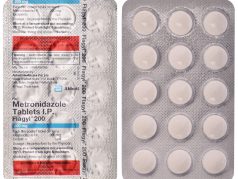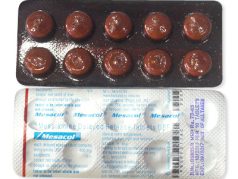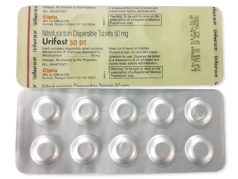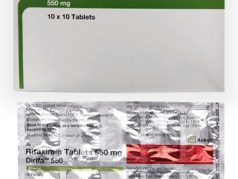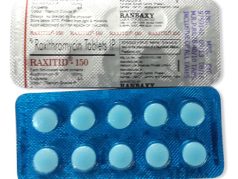
Antibacterial medicines are pharmaceutical agents designed to combat bacterial infections by either killing bacteria or inhibiting their growth and reproduction. These medications work through various mechanisms, including disrupting bacterial cell walls, interfering with protein synthesis, or blocking essential metabolic pathways that bacteria need to survive. In Australia, antibacterial medicines are carefully regulated by the Therapeutic Goods Administration (TGA) to ensure their safety and efficacy for treating bacterial infections.
While the terms "antibiotics" and "antibacterials" are often used interchangeably, there is a subtle distinction. Antibiotics traditionally refer to substances derived from natural sources like moulds or bacteria that fight infections, whilst antibacterials encompass a broader category that includes both natural antibiotics and synthetic antimicrobial agents. In practical terms for Australian consumers, both work to eliminate bacterial infections, but understanding this difference can help when discussing treatment options with healthcare professionals.
Antibacterial treatment is essential when bacterial infections occur that the body's immune system cannot effectively combat on its own. Healthcare providers in Australia prescribe these medications when bacterial infections are confirmed or strongly suspected, particularly in cases where symptoms are severe, persistent, or pose risk of complications. It's crucial to understand that antibacterials are ineffective against viral infections such as common colds or flu, and unnecessary use can contribute to antibiotic resistance.
Australian healthcare professionals commonly treat various bacterial infections with antibacterial medications. These include respiratory tract infections such as pneumonia and bronchitis, urinary tract infections, skin and soft tissue infections, and gastrointestinal bacterial infections. Other frequently treated conditions include strep throat, bacterial conjunctivitis, and wound infections. The choice of antibacterial medication depends on the specific bacteria involved, the infection site, and individual patient factors.
Proper use of antibacterial medications is critical for treatment success and preventing antibiotic resistance. Australian health authorities emphasise the importance of taking antibacterials exactly as prescribed, including completing the full course even if symptoms improve. Stopping treatment early can allow surviving bacteria to multiply and potentially develop resistance, making future infections harder to treat.
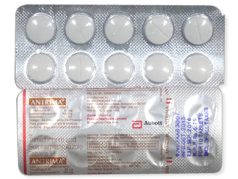
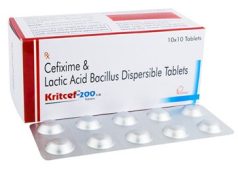
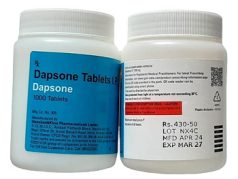
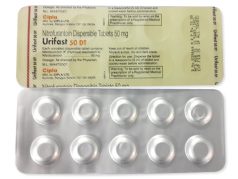
Prescription antibacterial medications available through Australian pharmacies come in various oral formulations to suit different patient needs and preferences. Tablets and capsules are the most common forms, offering convenient dosing and stable medication delivery. Liquid formulations are particularly valuable for children, elderly patients, or those who have difficulty swallowing solid medications. These prescription antibacterials require a valid prescription from a registered Australian healthcare provider and are dispensed with comprehensive instructions and counselling from qualified pharmacists.
Topical antibacterial preparations are designed for direct application to affected skin areas and minor wounds. These products work locally at the application site, reducing the risk of systemic side effects whilst effectively treating localised bacterial infections. Available in both prescription and over-the-counter formulations, topical antibacterials are commonly used for treating minor cuts, abrasions, and superficial skin infections throughout Australia.
Specialised antibacterial products for throat infections provide targeted relief and treatment for bacterial throat conditions. These formulations deliver active ingredients directly to the affected throat tissues, offering both therapeutic benefits and symptomatic relief. Available without prescription in Australian pharmacies, these products are convenient options for managing minor throat infections and supporting recovery from bacterial throat conditions.
Antibacterial eye and ear drops offer precise treatment for infections in these sensitive areas. These sterile formulations are specifically designed for ophthalmic or otic use, ensuring safety and efficacy for treating bacterial conjunctivitis, ear infections, and other localised bacterial conditions. Most antibacterial eye and ear drops require prescription in Australia and should be used under professional guidance to ensure proper application and dosing.
Antibacterial wound care solutions play a crucial role in preventing and treating bacterial infections in cuts, abrasions, and other skin injuries. These products help maintain wound cleanliness whilst providing antibacterial protection during the healing process. Available in various concentrations and formulations, wound care antibacterials include:
These wound care products are essential components of proper wound management and are widely available through Australian pharmacies, with some requiring professional recommendation for appropriate selection and use.
Australia's Therapeutic Goods Administration (TGA) approves a comprehensive range of antibacterial medications to treat various bacterial infections. These prescription medicines are dispensed by registered pharmacies across the country and require a valid prescription from a qualified healthcare practitioner.
Amoxicillin remains one of the most commonly prescribed antibiotics in Australia, particularly effective for treating respiratory tract infections such as pneumonia and bronchitis, as well as urinary tract infections. This penicillin-based antibiotic is well-tolerated by most patients and available in various formulations including capsules, tablets, and liquid suspensions.
Flucloxacillin is specifically indicated for skin and soft tissue infections, particularly those caused by staphylococcal bacteria. It's frequently prescribed for cellulitis, wound infections, and impetigo. Cephalexin, a first-generation cephalosporin, offers broad-spectrum coverage for various bacterial infections including skin infections, respiratory tract infections, and bone infections.
Doxycycline, a tetracycline antibiotic, is commonly prescribed for respiratory conditions, skin infections, and certain sexually transmitted infections. It's also used for travel-related prophylaxis in specific circumstances. Clindamycin is reserved for more serious bacterial infections, particularly anaerobic infections and severe skin and soft tissue infections.
All systemic antibacterial medications in Australia require a prescription from a doctor, nurse practitioner, or other authorised prescriber. Key considerations include:
Topical antibacterial products play a crucial role in preventing and treating localised infections, particularly for minor wounds, cuts, and scrapes. These products are readily available in Australian pharmacies, with many options available without prescription for general wound care and infection prevention.
Chlorhexidine-based products are widely used in Australian healthcare settings and homes for their broad-spectrum antimicrobial activity. Available in various concentrations, chlorhexidine is effective against bacteria, fungi, and some viruses. It's commonly found in wound cleansers, antiseptic solutions, and medicated creams.
Povidone iodine solutions provide excellent antiseptic properties for wound cleaning and pre-operative skin preparation. These amber-coloured solutions are particularly effective for initial wound cleansing and are suitable for most minor injuries.
Neomycin and polymyxin combinations, often combined with bacitracin, provide targeted antibacterial action for minor cuts, scrapes, and superficial wounds. These topical antibiotics help prevent bacterial colonisation and promote healing in minor injuries.
Proper application involves:
Understanding the potential side effects and safety considerations of antibacterial medications is crucial for safe and effective treatment. Most antibacterial medicines are well-tolerated when used appropriately, but awareness of possible reactions helps ensure optimal outcomes.
Antibacterial medications may cause various side effects, with gastrointestinal issues being most common. These include nausea, diarrhoea, stomach upset, and loss of appetite. Some individuals may experience headaches, dizziness, or skin reactions such as rashes. Certain antibiotics can cause photosensitivity, making skin more sensitive to sunlight.
Antibacterial medications can interact with other medicines, supplements, and even certain foods. Children and elderly patients require special dosing considerations and closer monitoring due to differences in metabolism and kidney function. Always inform your pharmacist or doctor about all medications and supplements you're taking.
Pregnant and breastfeeding women should only use antibacterial medications under medical supervision. Some antibiotics are considered safe during pregnancy, whilst others may pose risks to developing babies. Your healthcare provider will select the most appropriate option for your specific situation.
Responsible use of antibacterial medications is essential for maintaining their effectiveness and protecting public health. Antibiotic resistance occurs when bacteria develop the ability to survive exposure to antibiotics that would normally kill them or stop their growth.
Antibiotic resistance is one of the world's most pressing health challenges. When antibiotics are used inappropriately or unnecessarily, bacteria can adapt and become resistant, making future infections harder to treat. This affects not only individual patients but entire communities.
Responsible antibacterial use helps preserve these vital medicines for future generations. Avoid unnecessary antibacterial use, such as for common colds or flu, which are caused by viruses. Support community health initiatives that promote proper antibiotic use and always consult qualified healthcare professionals for guidance on appropriate treatment options.