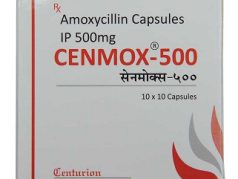
Antibiotics are powerful medicines designed to fight bacterial infections by either killing bacteria or stopping their growth and reproduction. These medications work through various mechanisms, including disrupting bacterial cell walls, interfering with protein synthesis, or blocking essential bacterial enzymes. Different classes of antibiotics target specific bacterial processes, making them effective against particular types of bacterial infections. Understanding how antibiotics function helps patients appreciate their importance in treating serious bacterial conditions when prescribed appropriately by healthcare professionals.
Distinguishing between bacterial and viral infections is crucial for appropriate treatment. Bacterial infections are caused by bacteria and respond to antibiotic treatment, whilst viral infections are caused by viruses and cannot be treated with antibiotics. Common bacterial infections include strep throat, urinary tract infections, and some pneumonias. Viral infections include the common cold, flu, and most respiratory tract infections. Taking antibiotics for viral infections is ineffective and contributes to antibiotic resistance.
Australian doctors prescribe antibiotics when a bacterial infection is confirmed or strongly suspected through clinical examination and sometimes laboratory testing. Healthcare providers follow evidence-based guidelines to ensure appropriate prescribing practices. Antibiotics are typically prescribed for conditions such as bacterial pneumonia, skin infections, urinary tract infections, and certain sexually transmitted infections. GPs and specialists carefully consider factors including infection severity, patient health status, and potential antibiotic resistance patterns.
Completing the full course of prescribed antibiotics is essential, even if symptoms improve before finishing the medication. Stopping early can lead to incomplete treatment, allowing surviving bacteria to multiply and potentially develop resistance. This creates harder-to-treat infections and contributes to the growing problem of antibiotic resistance. Always take antibiotics exactly as prescribed by your healthcare provider for the recommended duration.
Penicillins are among the most commonly prescribed antibiotics in Australia, effective against a wide range of bacterial infections. Amoxicillin treats respiratory tract infections, ear infections, and urinary tract infections. Flucloxacillin is particularly effective against staphylococcal skin and soft tissue infections. Phenoxymethylpenicillin (Penicillin V) is often prescribed for throat infections and mild skin conditions. These antibiotics work by disrupting bacterial cell wall formation, leading to bacterial death.
Cephalosporins are broad-spectrum antibiotics commonly used in Australian medical practice. Cefalexin is frequently prescribed for skin infections, urinary tract infections, and respiratory tract infections, available in oral formulations for outpatient treatment. Cefazolin is typically administered intravenously in hospital settings for more serious infections. Both medications belong to the beta-lactam family and work by inhibiting bacterial cell wall synthesis, making them effective against many gram-positive and some gram-negative bacteria.
Macrolide antibiotics are valuable alternatives for patients allergic to penicillin and are effective against respiratory tract infections. Key characteristics of macrolides include:
These antibiotics work by inhibiting bacterial protein synthesis, preventing bacteria from growing and reproducing effectively.
Antibiotics play a crucial role in treating bacterial respiratory infections that affect the lungs, airways, and sinuses. In Australia, respiratory tract infections are among the most common reasons for antibiotic prescriptions, particularly during the cooler months when bacterial pneumonia and bronchitis cases increase.
Pneumonia, a serious lung infection, requires prompt antibiotic treatment to prevent complications. Your doctor will typically prescribe antibiotics such as amoxicillin, clarithromycin, or doxycycline depending on the suspected bacterial cause and your medical history. Bacterial bronchitis, which causes inflammation of the airways, may also require antibiotic therapy when symptoms persist or worsen.
Sinusitis, when caused by bacterial infection rather than viral causes, responds well to targeted antibiotic treatment. Common symptoms include persistent facial pain, thick nasal discharge, and fever lasting more than 10 days.
Bacterial skin infections are effectively treated with both topical and oral antibiotics, depending on the severity and location of the infection. Cellulitis, a common bacterial skin infection that affects deeper layers of skin and tissue, typically requires oral antibiotics such as flucloxacillin or cephalexin for proper treatment.
Wound infections, particularly those following surgery, cuts, or burns, may require antibiotic therapy to prevent the spread of bacteria and promote healing. Your healthcare provider will assess the wound and determine whether topical antibiotic ointments or oral medications are most appropriate for your situation.
Urinary tract infections (UTIs) are among the most frequent bacterial infections treated with antibiotics in Australia, affecting millions of people annually. Cystitis, an infection of the bladder, is typically treated with short courses of antibiotics such as trimethoprim, nitrofurantoin, or amoxicillin-clavulanate.
Pyelonephritis, a more serious kidney infection, requires immediate medical attention and usually involves longer antibiotic courses or sometimes hospitalisation for intravenous treatment. Early treatment of UTIs helps prevent the infection from spreading to the kidneys and causing more serious complications.
While many cases of gastroenteritis and food poisoning are viral and resolve without antibiotic treatment, certain bacterial infections of the digestive system do require antibiotic therapy. Severe cases of salmonella, campylobacter, or shigella infections may warrant antibiotic treatment, particularly in vulnerable populations such as the elderly, immunocompromised individuals, or those with severe symptoms.
Your doctor will carefully evaluate symptoms such as persistent high fever, bloody diarrhoea, or signs of dehydration before prescribing antibiotics for gastrointestinal infections, as unnecessary antibiotic use can sometimes worsen certain types of bacterial gastroenteritis.
Like all medications, antibiotics can cause side effects, though most people tolerate them well when taken as directed. Understanding potential side effects helps you monitor your response to treatment and seek medical advice when necessary.
The most frequently reported side effects of antibiotics include:
Most side effects are mild and resolve once you complete your antibiotic course. However, severe diarrhoea, signs of allergic reaction such as difficulty breathing or swelling, or persistent vomiting should prompt immediate medical attention.
Antibiotics can interact with other medications, supplements, and even certain foods, potentially affecting their effectiveness or increasing the risk of side effects. It's essential to inform your pharmacist and doctor about all medications you're currently taking, including over-the-counter medicines, vitamins, and herbal supplements.
Some antibiotics can reduce the effectiveness of oral contraceptives, requiring additional contraceptive measures during treatment. Others may interact with blood-thinning medications like warfarin, requiring closer monitoring of blood clotting times. Certain antibiotics should be avoided with dairy products or calcium supplements as they can interfere with absorption.
People with specific medical conditions may have contraindications to certain antibiotics. For example, individuals with kidney disease may require dose adjustments, while those with a history of severe allergic reactions to penicillin must avoid beta-lactam antibiotics. Your healthcare provider will consider your medical history and current medications to select the safest and most effective antibiotic for your condition.
Antibiotic resistance occurs when bacteria evolve to survive exposure to antibiotics that previously killed them. This natural adaptation happens when antibiotics are overused, misused, or when treatment courses aren't completed. Resistant bacteria multiply and spread, making infections harder to treat. The process accelerates when antibiotics are used unnecessarily for viral infections or when patients don't finish prescribed courses, allowing surviving bacteria to develop stronger defences against future antibiotic treatments.
Australia has implemented the National Antimicrobial Resistance Strategy 2020-2030, focusing on surveillance, stewardship, and research. The government supports antimicrobial stewardship programmes in hospitals and communities, promotes responsible prescribing through clinical guidelines, and invests in resistance monitoring systems. Australia also participates in global initiatives and maintains strict regulations on antibiotic use in agriculture to minimise resistance development across human and animal health sectors.
Responsible antibiotic use involves taking antibiotics exactly as prescribed, completing the full course even when feeling better, and never sharing or saving leftover antibiotics. Patients should avoid demanding antibiotics for viral infections and should never purchase antibiotics without a prescription. Following these guidelines helps preserve antibiotic effectiveness for future generations and reduces the risk of developing resistant bacterial infections.
In Australia, antibiotics are prescription-only medicines (POMs) regulated by the Therapeutic Goods Administration (TGA). A valid prescription from a registered medical practitioner is mandatory for all antibiotic purchases. The TGA ensures antibiotics meet strict safety and efficacy standards before approval. Pharmacists must verify prescriptions and can only dispense the exact quantity prescribed. Online pharmacies must comply with the same regulations and require valid prescriptions for antibiotic dispensing.
Effective antibiotic treatment requires collaboration between patients, GPs, and pharmacists. Your GP will assess symptoms, determine if antibiotics are necessary, and select appropriate treatments. Pharmacists provide crucial counselling on proper usage, potential side effects, and drug interactions. Always inform both healthcare providers about allergies, current medications, and any previous antibiotic reactions for optimal treatment outcomes.
Many antibiotics are listed on the Pharmaceutical Benefits Scheme (PBS), making them affordable for most Australians. PBS-listed antibiotics cost the standard co-payment fee, with additional discounts available for concession card holders. Some newer or specialised antibiotics may not be PBS-listed and could cost significantly more. Discuss cost concerns with your GP, who may suggest PBS-listed alternatives when clinically appropriate.
Store antibiotics according to label instructions, typically in a cool, dry place away from direct sunlight. Never use expired antibiotics or save unused portions for later use. Return unused or expired antibiotics to your local pharmacy through the Return Unwanted Medicines (RUM) programme for safe disposal. This prevents environmental contamination and reduces the risk of inappropriate use.