Fungal infections occur when harmful fungi invade and multiply in or on the body, disrupting normal bodily functions. These microscopic organisms thrive in warm, moist environments and can affect various parts of the body including the skin, nails, mouth, and internal organs. In Australia's diverse climate, fungal infections are particularly common due to high humidity levels in many regions, especially during the warmer months.
The most prevalent fungal infections affecting Australians include:
Antifungal medications are essential for treating these infections as the body's immune system alone often cannot effectively eliminate fungal overgrowth. Without proper treatment, fungal infections can persist for months or years, potentially spreading to other areas of the body or becoming more severe.
Antifungal medicines work through various mechanisms to combat fungal infections. They may disrupt the fungal cell membrane, interfere with fungal DNA synthesis, or inhibit essential fungal enzymes. This targeted approach helps eliminate the infection while minimising damage to healthy human cells.
It's important to seek treatment for fungal infections when symptoms persist for more than a week, worsen despite over-the-counter treatments, or if you experience systemic symptoms such as fever. Individuals with compromised immune systems, diabetes, or other chronic conditions should consult healthcare professionals promptly when fungal infections develop.
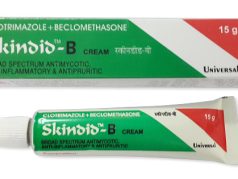
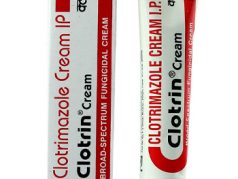
Topical antifungal treatments are the first-line therapy for most external fungal infections, offering targeted relief directly to the affected area. These external applications are particularly effective for skin, nail, and mucous membrane infections, providing concentrated antifungal action whilst minimising systemic side effects.
Australian pharmacies stock a comprehensive range of topical antifungal formulations to suit different infection types and patient preferences. Creams are ideal for dry, scaly infections and provide moisturising benefits, whilst ointments offer longer-lasting protection for persistent infections. Sprays and powders are excellent for hard-to-reach areas and provide convenient application for foot infections, particularly beneficial in Australia's active outdoor lifestyle.
Several trusted brands dominate the Australian antifungal market. Canesten (clotrimazole) offers broad-spectrum coverage for various fungal infections including thrush and tinea. Lamisil (terbinafine) provides highly effective treatment for stubborn fungal infections, particularly nail fungus. Daktarin (miconazole) excels in treating oral thrush and skin infections. Nilstat (nystatin) specialises in candida infections, making it ideal for oral and nappy rash treatments.
Topical antifungals are most suitable for localised infections affecting the skin surface, nails, and accessible mucous membranes. Apply treatments to clean, dry skin extending slightly beyond the visible infection area. Most topical treatments require twice-daily application for 2-4 weeks, though nail infections may need longer treatment periods. Continue treatment for at least one week after symptoms disappear to prevent recurrence.
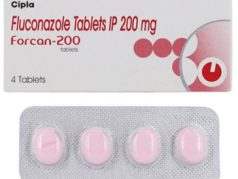
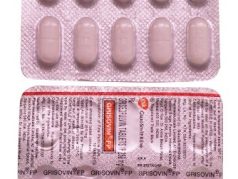
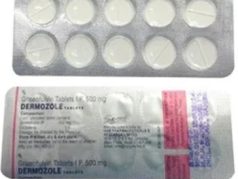
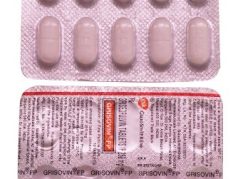
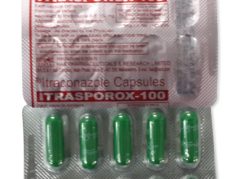
Oral antifungal medications are typically recommended when topical treatments prove insufficient or when dealing with severe, widespread, or recurrent fungal infections. These systemic treatments are particularly effective for deep-seated infections, nail fungus, and cases where the infection has spread extensively across the skin.
In Australia, several oral antifungal options are available through pharmacies, including tablets and capsules designed for different types of fungal infections. These medications work from within the body to eliminate fungal organisms and prevent their spread to healthy tissue.
Most oral antifungal medications require a prescription from a doctor or qualified healthcare practitioner in Australia. A proper consultation is essential to determine the most appropriate treatment, assess potential drug interactions, and monitor for side effects. Your pharmacist can provide valuable guidance on proper usage and potential interactions with other medications.
Treatment timelines vary significantly depending on the type and severity of infection. While thrush may require only 1-3 days of treatment, nail fungal infections often need 6-12 weeks of continuous therapy. Internal or systemic fungal infections may require extended treatment periods of several months under medical supervision.
Athlete's foot responds well to antifungal creams, sprays, and powders containing ingredients like clotrimazole, terbinafine, or miconazole. Treatment typically continues for 2-4 weeks beyond symptom resolution to prevent recurrence.
Oral thrush and vaginal candidiasis are commonly treated with fluconazole tablets or topical antifungal preparations. Single-dose treatments are often effective, though recurrent cases may require longer courses or maintenance therapy.
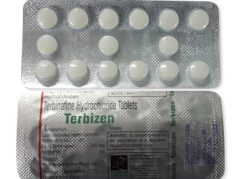
Nail fungus requires persistent treatment with either topical lacquers applied directly to affected nails or oral medications like terbinafine. Treatment duration often extends 3-6 months for fingernails and up to 12 months for toenails.
These conditions typically respond to topical antifungal creams applied to affected areas and surrounding skin. Keeping affected areas clean and dry accelerates healing and prevents spread to other body parts.
Antifungal medications can cause various side effects depending on the type and method of administration. Topical antifungals may cause local skin irritation, redness, burning, or itching at the application site. Oral antifungal medications can lead to gastrointestinal symptoms including nausea, vomiting, diarrhoea, and abdominal pain. Some patients may experience headaches, dizziness, or changes in taste. More serious but rare side effects can include liver function abnormalities, particularly with long-term oral treatments.
Antifungal medications can interact with numerous other medicines, potentially altering their effectiveness or increasing the risk of adverse effects. Oral antifungals may interact with blood thinners like warfarin, certain heart medications, and some antibiotics. Always inform your pharmacist or doctor about all medications, supplements, and herbal remedies you're taking. People with liver disease, kidney problems, or certain heart conditions may need dose adjustments or alternative treatments.
Pregnant and breastfeeding women require careful consideration when using antifungal medications. Topical treatments are generally preferred during pregnancy as they have minimal systemic absorption. Some oral antifungals are not recommended during pregnancy or breastfeeding. Children may require adjusted dosages based on their weight and age. Always consult with a healthcare professional before giving antifungal medications to children or if you're pregnant or breastfeeding.
Seek medical advice if symptoms worsen or don't improve after the recommended treatment period. Contact your doctor immediately if you experience severe allergic reactions, persistent nausea or vomiting, unusual fatigue, dark urine, or yellowing of skin or eyes whilst taking oral antifungals. If you have recurring infections, diabetes, or a compromised immune system, professional medical guidance is essential for proper diagnosis and treatment planning.
Prevention is key to avoiding repeat fungal infections. Keep affected areas clean and completely dry, as fungi thrive in warm, moist environments. Change socks and underwear daily, choosing breathable fabrics like cotton. Avoid sharing personal items such as towels, shoes, or clothing. For those prone to athlete's foot, consider using antifungal powder in shoes and rotate footwear to allow proper drying between wears.
Good hygiene practices significantly reduce the risk of fungal infections. Wash hands regularly and thoroughly dry all skin folds after bathing or swimming. In Australia's humid climate, pay particular attention to areas prone to moisture retention. Wear loose-fitting, breathable clothing and change out of damp workout clothes promptly. Consider the following essential hygiene practices:
Some individuals may benefit from ongoing maintenance therapy, particularly those with recurrent infections or underlying health conditions. This might include periodic use of antifungal powders, regular application of preventive creams, or intermittent oral treatments as prescribed by a healthcare provider. Complete the full course of any prescribed antifungal treatment, even if symptoms improve, to prevent incomplete elimination of the infection.
Australia's varied climate conditions can influence fungal growth and infection risk. High humidity in tropical and coastal areas creates ideal conditions for fungal proliferation. Ensure adequate ventilation in bathrooms and bedrooms, use dehumidifiers if necessary, and regularly clean and disinfect areas prone to moisture. Air conditioning can help control humidity levels indoors. Keep living spaces clean and dry, particularly during Australia's wet season when humidity levels are elevated.