Parasitic infections occur when harmful organisms invade the human body and live off their host. These parasites can be broadly categorised into three main types: protozoa (single-celled organisms), helminths (worms), and ectoparasites (external parasites like lice). In Australia, common parasites affecting residents include intestinal worms such as pinworms and roundworms, Giardia lamblia, Cryptosporidium, and threadworms. These infections typically occur through contaminated food or water, poor hygiene practices, contact with infected soil, or transmission from person to person. Children in childcare centres and schools are particularly susceptible to parasitic infections due to close contact and developing hygiene habits.
Parasitic infections can present with various symptoms depending on the type of parasite involved. Common signs include:
If you experience persistent symptoms or suspect a parasitic infection, it's important to consult your GP or visit a pharmacy for advice. In Australia, diagnostic methods include stool sample analysis, blood tests, and sometimes imaging studies. Many pharmacies offer consultation services and can recommend appropriate over-the-counter treatments for common parasitic infections.
Several factors increase the likelihood of contracting parasitic infections. Travel to tropical or developing countries significantly elevates risk, particularly when consuming local water or food. Environmental factors such as poor sanitation, contact with contaminated soil, and proximity to livestock also contribute to infection risk. High-risk populations include young children, pregnant women, immunocompromised individuals, and those living in crowded conditions. Indigenous communities in remote areas of Australia may face higher exposure rates due to environmental and socioeconomic factors.
Intestinal worms are among the most prevalent parasitic infections in Australia. Pinworms (Enterobius vermicularis) are extremely common, particularly in children, causing intense anal itching especially at night. Roundworms (Ascaris lumbricoides) can grow quite large and may cause abdominal discomfort and nutritional deficiencies. Hookworms typically enter through bare feet in contact with contaminated soil, whilst tapeworms are usually contracted through undercooked meat or fish. Whipworms, though less common, can cause bloody diarrhoea and abdominal pain. Studies indicate that up to 50% of Australian children may experience pinworm infections at some point, making these parasites a significant public health consideration.
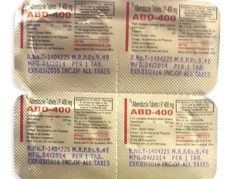
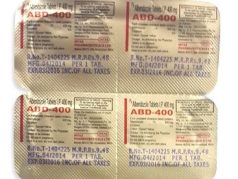
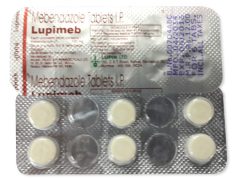
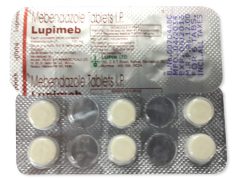
Several effective antiparasitic medications are readily available in Australian pharmacies. Mebendazole, available under brand names Vermox and Banworm, is highly effective against pinworms, roundworms, and hookworms. The typical dosage is a single 100mg tablet, with a repeat dose after two weeks for pinworms. Albendazole (Zentel) offers broad-spectrum coverage and is particularly effective against multiple worm types, usually requiring a single 400mg dose. Pyrantel pamoate, found in Combantrin and Early Bird, specifically targets pinworms and roundworms with excellent safety profiles for children and adults. Treatment duration varies from single-dose regimens to courses lasting several days, depending on the specific parasite and medication chosen. Always consult with a pharmacist or healthcare provider to ensure appropriate treatment selection and dosing.
Whilst malaria is not endemic to mainland Australia, Australian travellers face significant risks when visiting malaria-endemic regions. Northern Queensland has rare cases of locally acquired malaria, but the primary concern is for those travelling to Southeast Asia, Africa, South America, and Pacific islands. Risk assessment depends on your destination, travel duration, accommodation type, and activities planned. High-risk areas include rural regions of Indonesia, Papua New Guinea, Solomon Islands, and parts of Southeast Asia during monsoon seasons.
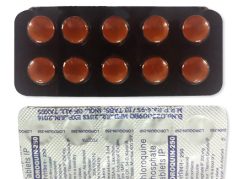
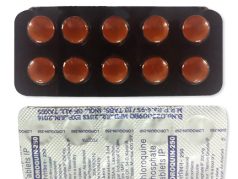
Several antimalarial medications are available through Australian pharmacies with prescription. Doxycycline (Doryx, Doxy-50) is commonly prescribed for most endemic areas and offers additional protection against other infections. Mefloquine (Lariam) provides weekly dosing convenience but requires careful screening for contraindications. Atovaquone/proguanil (Malarone) is highly effective with minimal side effects, making it suitable for short-term travel. Chloroquine remains effective only in specific regions with confirmed chloroquine-sensitive malaria strains.
Prophylactic medication must commence before travel, with timing varying by medication type. Most require starting 1-2 weeks prior to departure and continuing for 1-4 weeks after return. Emergency standby treatment may be prescribed for remote area travel where immediate medical care isn't available. Post-exposure management includes monitoring for symptoms up to 12 months after return, as malaria can have delayed onset despite prophylaxis.
Topical antiparasitic treatments address various external parasite infections common in Australia. Scabies infestations cause intense itching and require treatment of all household contacts simultaneously. Head lice remain prevalent in school communities and require targeted treatment approaches. Some fungal infections, whilst not true parasites, are treated alongside parasitic conditions due to similar symptoms and treatment mechanisms.
Permethrin cream (Lyclear, Elimite) is the gold standard for scabies treatment, applied to the entire body from neck down and left overnight. Benzyl benzoate lotion offers an alternative treatment option, particularly useful for resistant cases. Malathion preparations provide effective treatment for head lice infestations. Proper application is crucial for treatment success:
Complex parasitic infections require specialised treatment approaches beyond standard over-the-counter options. Giardiasis and cryptosporidiosis are waterborne parasitic infections that commonly affect Australians, particularly those travelling to remote areas or consuming untreated water sources. These infections cause severe gastrointestinal symptoms including persistent diarrhoea, abdominal cramping, and malabsorption issues.
Amoebic infections, particularly Entamoeba histolytica, can cause both intestinal and extraintestinal complications. Tropical disease parasites such as those causing malaria, leishmaniasis, and trypanosomiasis require immediate medical attention and specialised treatment protocols, especially for Australians returning from overseas travel.
Several prescription antiparasitic medications are available through Australian pharmacies under medical supervision. Metronidazole, available as Flagyl and Metrogyl, is commonly prescribed for giardiasis, trichomoniasis, and amoebic infections. Tinidazole (Fasigyn) offers similar efficacy with potentially fewer side effects and convenient single-dose regimens for certain infections.
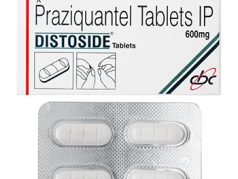
Nitazoxanide represents a newer class of antiparasitic agents effective against various protozoan and helminth infections. All these medications require specialist consultation and prescription, as proper diagnosis through laboratory testing is essential before treatment initiation.
Multi-drug treatment protocols are increasingly important in managing resistant parasitic infections. Healthcare providers may prescribe combination therapies to improve treatment success rates and reduce the likelihood of developing drug resistance. Follow-up care including repeat testing and monitoring for treatment response is crucial for ensuring complete parasite elimination.
Antiparasitic medications require careful consideration during pregnancy and breastfeeding, as many agents can potentially harm developing foetuses or nursing infants. Drug interactions are common, particularly with anticoagulants, alcohol, and certain antibiotics. Age-specific dosing is critical, as children and elderly patients may require modified treatment regimens based on weight, kidney function, and overall health status.
Successful antiparasitic treatment depends on adherence to prescribed protocols. Consider these essential guidelines:
Seek immediate medical attention for complex or recurring parasitic infections that don't respond to initial treatment. Treatment failures may indicate drug resistance, incorrect diagnosis, or reinfection requiring alternative therapeutic approaches. Healthcare professionals should also manage any adverse reactions, adjust dosing regimens, and provide guidance on prevention strategies for high-risk individuals or those with compromised immune systems.