Asthma is a chronic respiratory condition that affects the airways in your lungs, causing them to become inflamed, narrow, and produce excess mucus. When you have asthma, the muscles around your airways tighten, making it difficult to breathe properly. This inflammation and constriction can occur suddenly during an asthma attack or persist as ongoing symptoms that impact daily life.
Common asthma symptoms include wheezing, shortness of breath, chest tightness, and persistent coughing, particularly at night or early morning. These symptoms can be triggered by various factors including allergens like dust mites, pollen, and pet dander, as well as environmental irritants such as smoke, strong odours, weather changes, respiratory infections, and physical exercise.
In Australia, asthma affects approximately 2.7 million people, making it one of the most common chronic conditions in the country. It impacts people of all ages, with around 10% of Australian children and 8% of adults living with asthma. You should seek immediate medical attention if you experience severe difficulty breathing, cannot speak in full sentences due to breathlessness, or if your reliever medication isn't providing adequate relief.
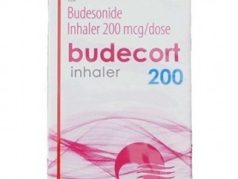
Preventer medications form the cornerstone of effective long-term asthma management in Australia. These medications, typically taken daily via inhaler, work by reducing inflammation in your airways and preventing asthma symptoms from occurring. Unlike reliever medications used during acute attacks, preventers help maintain better lung function and reduce the frequency and severity of asthma episodes when used consistently.
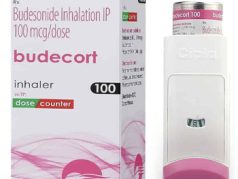
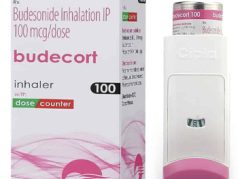
Several corticosteroid inhalers are widely available across Australian pharmacies. Flixotide (fluticasone propionate) is a popular choice that effectively reduces airway inflammation and comes in various strengths to suit different patient needs. Pulmicort (budesonide) offers excellent anti-inflammatory action and is suitable for both adults and children, available in both inhaler and nebuliser formulations. QVAR (beclomethasone dipropionate) provides reliable daily asthma control with its fine-particle formulation that reaches deeper into the lungs.
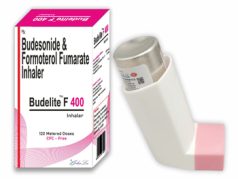
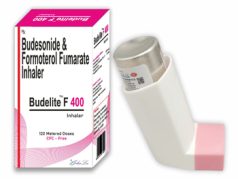
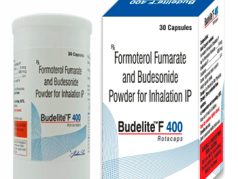
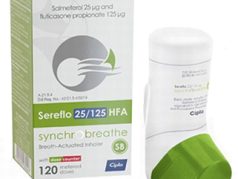
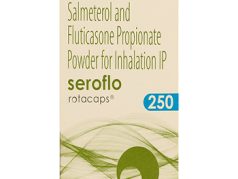
Combination preventers contain both a corticosteroid and a long-acting bronchodilator, offering comprehensive asthma management in a single device. Seretide combines fluticasone with salmeterol, providing both anti-inflammatory action and long-lasting airway relaxation. Symbicort pairs budesonide with formoterol, offering rapid-onset bronchodilation alongside sustained inflammatory control.
Consistent daily use and correct inhaler technique are essential for optimal asthma control and preventing serious exacerbations.
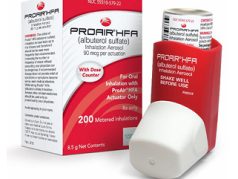
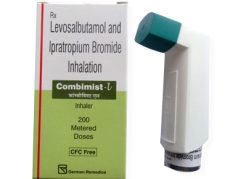
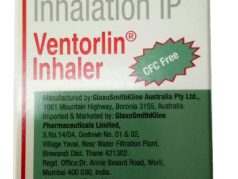
Reliever medications, also known as bronchodilators or "rescue" medications, are essential for managing acute asthma symptoms. These fast-acting medicines work by relaxing the muscles around your airways, providing rapid relief from wheezing, shortness of breath, and chest tightness within minutes of use.
Several effective reliever medications are readily available through Australian pharmacies:
Use your reliever inhaler at the first sign of asthma symptoms or before exercise if recommended by your doctor. Shake the inhaler well, breathe out fully, then inhale the medication slowly and deeply whilst pressing down on the canister. Hold your breath for 10 seconds before exhaling.
Call 000 immediately if your reliever isn't working, you're struggling to speak in full sentences, or your lips or fingernails turn blue. Don't wait - severe asthma attacks require urgent medical attention.
Choosing the right inhaler device and accessories is crucial for effective asthma management. Different devices suit different needs, ages, and coordination abilities, ensuring optimal medication delivery to your lungs.
Australian pharmacies stock various inhaler types to suit individual preferences and capabilities. Metered-dose inhalers (MDIs) are the most common, requiring coordination between pressing and breathing. Dry powder inhalers activate when you breathe in forcefully, making them easier for some people to use. Nebulisers convert liquid medication into a fine mist, ideal for young children or those with severe symptoms.
Spacer devices significantly improve medication delivery and reduce side effects by slowing down the medication particles:
Clean spacers weekly with warm soapy water, rinse thoroughly, and air dry. Replace inhaler devices according to manufacturer guidelines, typically every 6-12 months.
Young children often benefit from spacers with masks, whilst teenagers and adults may prefer dry powder inhalers for their convenience and portability.
Identifying and avoiding your personal asthma triggers is crucial for effective management. Common environmental triggers in Australia include pollen from native plants, dust mites, pet dander, smoke, and air pollution. Keeping a trigger diary can help you recognise patterns and understand what affects your breathing. Simple strategies like closing windows during high pollen days, avoiding outdoor activities when air quality is poor, and maintaining good ventilation in your home can significantly reduce trigger exposure.
For asthma sufferers with allergies, specialised products can provide additional relief. Allergen-proof bedding covers, HEPA filters, and hypoallergenic cleaning products are readily available at Australian pharmacies. Nasal sprays and antihistamines can help manage allergic reactions that may worsen asthma symptoms. Your pharmacist can recommend the most suitable allergy management products based on your specific triggers and sensitivities.
Air purifiers with HEPA filtration can effectively remove airborne allergens and irritants from your living space. In Australia's diverse climate, controlling humidity levels between 30-50% helps prevent dust mite proliferation. Regular washing of bedding in hot water (above 60°C), using dust mite-proof covers, and maintaining clean carpets and upholstery are essential steps in creating an asthma-friendly environment.
Peak flow meters are valuable tools that measure how well air moves out of your lungs, helping you monitor your asthma control daily. These portable devices can detect early warning signs of an asthma episode, often before symptoms become noticeable. Regular monitoring helps you understand your normal readings and recognise when your asthma is worsening, allowing for prompt treatment adjustments.
An asthma action plan is a personalised written document that outlines your daily management routine and emergency procedures. This plan, developed with your healthcare provider, includes information about your medications, trigger avoidance strategies, and clear instructions for managing worsening symptoms. Keep copies at home, work, and school, and ensure family members and carers understand the plan thoroughly.
Regular consultation with healthcare professionals is vital for optimal asthma management. Contact your pharmacist if you're using your reliever inhaler more than twice a week, experiencing side effects from medications, or need advice on proper inhaler technique. See your GP immediately if you have difficulty breathing, chest tightness, or if your symptoms are interfering with daily activities. Emergency medical attention is required if you experience severe breathing difficulties or your reliever medication isn't providing relief.
Asthma Australia provides comprehensive support and educational resources for people living with asthma. Their services include telephone support, educational materials, and online resources tailored to Australian conditions and healthcare systems. The organisation offers guidance on managing asthma in different life stages, seasonal advice, and updates on new treatments and research developments relevant to Australian patients.
Many asthma medications are subsidised under the Pharmaceutical Benefits Scheme (PBS), making treatment more affordable for Australians. Your pharmacist can explain which medications are covered and help you understand any gap payments. Some patients may be eligible for additional support through programs like the Safety Net, which provides further discounts once spending thresholds are reached. Keep track of your medication expenses throughout the year to maximise available benefits.
Being prepared for asthma emergencies can be life-saving. Essential emergency preparations include:
Consistent medication use as prescribed is fundamental to preventing asthma symptoms and reducing the risk of serious attacks. Schedule regular medication reviews with your pharmacist or GP to assess effectiveness, adjust dosages if needed, and ensure you're using inhalers correctly. Many Australian pharmacies offer medication management services, including dose administration aids and reminder systems, to help improve adherence and treatment outcomes.