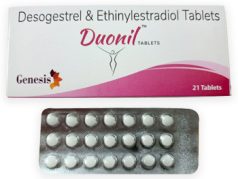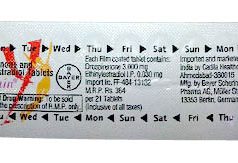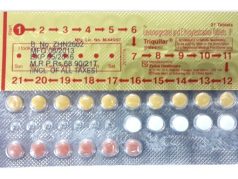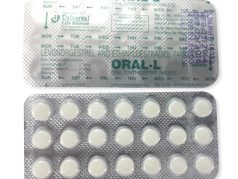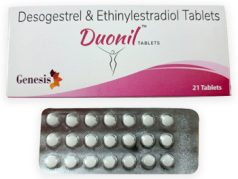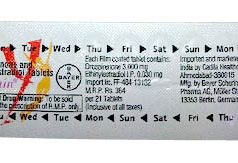
Oral contraceptive pills are one of the most popular and effective methods of birth control available in Australia. The combined pill contains both oestrogen and progestin hormones, which work together to prevent ovulation, thicken cervical mucus, and thin the uterine lining. The mini-pill, containing only progestin, primarily works by thickening cervical mucus and altering the uterine lining. When taken correctly, both types offer over 99% effectiveness in preventing pregnancy.
All oral contraceptives require a prescription from a healthcare provider in Australia. Your doctor or pharmacist will discuss your medical history, lifestyle factors, and any potential contraindications before recommending the most suitable option. Regular check-ups are recommended to monitor your health and ensure the chosen contraceptive continues to meet your needs.
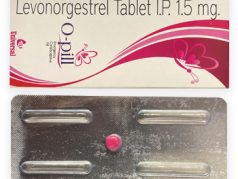
Emergency contraception provides a crucial backup option when regular contraceptive methods fail or are not used. The morning-after pill is most effective when taken as soon as possible after unprotected intercourse, but timing varies depending on the type used.
Levonorgestrel-based emergency contraceptives, such as Postinor, must be taken within 72 hours of unprotected intercourse, though effectiveness decreases over time. Ulipristal acetate emergency contraceptives like EllaOne can be taken up to 120 hours (5 days) after unprotected intercourse and maintain higher effectiveness rates throughout this extended timeframe.
Emergency contraception is available from Australian pharmacies without a prescription, though pharmacists may ask questions to ensure appropriate use. These medications work primarily by delaying or preventing ovulation and are not intended for regular use as a primary contraceptive method. If you vomit within three hours of taking emergency contraception, consult your pharmacist about taking another dose.
Barrier methods provide reliable, hormone-free contraceptive options by physically preventing sperm from reaching an egg. These methods are particularly popular amongst couples seeking non-hormonal alternatives or those requiring immediate protection.
Both male and female condoms offer dual protection against pregnancy and sexually transmitted infections. Male condoms, available in latex, polyurethane, and polyisoprene varieties, should be applied before any genital contact and removed immediately after ejaculation. Female condoms provide an alternative for those with latex allergies and can be inserted up to eight hours before intercourse.
These reusable silicone devices require proper fitting by a healthcare provider and must be used with spermicidal cream or jelly. They should remain in place for at least six hours post-intercourse but no longer than 24 hours.
Spermicides containing nonoxynol-9 significantly improve barrier method effectiveness when used correctly. Available as creams, gels, foams, and suppositories, they work by immobilising sperm at the cervix. The key benefits of barrier methods include:
Long-acting reversible contraceptive methods represent the most effective reversible birth control options available in Australia, providing years of protection with minimal user intervention.
IUDs offer exceptional contraceptive efficacy with two main varieties available. The copper IUD provides up to 10 years of hormone-free protection by creating a sperm-toxic environment within the uterus. Hormonal IUDs, including the Mirena (effective for five years) and Skyla (effective for three years), release progestin locally, reducing menstrual bleeding whilst preventing pregnancy.
Implanon NXT, a single-rod subdermal implant, provides three years of highly effective contraception through continuous progestin release. Inserted under local anaesthetic in the upper arm, it's barely visible and doesn't interfere with daily activities.
LARC insertion procedures are performed by trained healthcare providers in clinical settings. These methods suit various life stages and reproductive goals:
Fertility typically returns quickly after LARC removal, making these excellent choices for temporary contraceptive needs.
Depo-Provera is a long-acting injectable contraceptive that provides effective pregnancy prevention for three months with each injection. This hormone-based contraceptive contains depot medroxyprogesterone acetate and is administered as a deep intramuscular injection every 12-13 weeks. The injection must be given by a qualified healthcare professional at your GP clinic, family planning centre, or participating pharmacy with trained practitioners.
The three-monthly schedule makes Depo-Provera particularly convenient for women who prefer not to take daily contraceptives or those who may have difficulty remembering regular medication routines. It's important to maintain the injection schedule within the recommended timeframe to ensure continuous contraceptive protection throughout the year.
Contraceptive patches offer a weekly hormone delivery system that works through transdermal absorption. These patches contain synthetic versions of oestrogen and progestogen that are absorbed through the skin into the bloodstream. Each patch is worn for seven days and replaced weekly for three consecutive weeks, followed by one patch-free week during which menstruation typically occurs.
The patch can be applied to clean, dry skin on the buttocks, abdomen, upper arm, or upper torso (excluding the breasts). It's designed to remain secure during normal daily activities, including showering, swimming, and exercise. If a patch becomes loose or falls off, replacement guidelines depend on how long it has been detached.
Both injectable and patch contraceptives offer high effectiveness rates when used correctly:
Common side effects may include irregular bleeding patterns, weight changes, mood fluctuations, and breast tenderness. Depo-Provera may cause temporary bone density reduction, which typically reverses after discontinuation. The patch may cause skin irritation at the application site and is less effective in women weighing over 90 kilograms.
Natural family planning relies on understanding and tracking your body's natural fertility signals to identify fertile and infertile periods throughout the menstrual cycle. The primary methods involve monitoring basal body temperature, cervical mucus consistency and appearance, and menstrual cycle length patterns. These observations help determine ovulation timing and the fertile window when pregnancy is most likely to occur.
Basal body temperature tracking requires taking your temperature at the same time each morning before getting out of bed, using a specialised fertility thermometer. Temperature typically rises slightly after ovulation due to progesterone release. Cervical mucus changes throughout the cycle, becoming clear, stretchy, and more abundant around ovulation, similar to raw egg white consistency.
Modern smartphone applications and digital devices have revolutionised fertility awareness by simplifying data collection and analysis. These tools can track multiple fertility indicators simultaneously and provide predictions based on algorithmic analysis of your personal patterns. Many apps allow users to log symptoms, mood changes, and other relevant health information alongside fertility data.
Some advanced fertility monitors use additional indicators such as hormone level testing through urine or saliva samples, or continuous temperature monitoring through wearable devices. These technologies can provide more precise fertility predictions than manual tracking methods alone.
The effectiveness of natural family planning varies significantly between perfect use and typical use scenarios:
Natural methods work best for women with regular menstrual cycles and those willing to abstain from unprotected intercourse during fertile periods. Many couples combine fertility awareness with barrier methods during the fertile window to enhance contraceptive effectiveness whilst maintaining the natural approach outside of fertile periods. Professional instruction from certified fertility awareness educators can significantly improve success rates and user confidence.