Cardiovascular disease encompasses a range of conditions affecting the heart and blood vessels, representing one of Australia's leading health challenges. These conditions include coronary heart disease, stroke, heart failure, and peripheral artery disease, collectively impacting over 4 million Australians.
The most prevalent cardiovascular conditions in Australia include high blood pressure (hypertension), affecting nearly one in three adults, coronary heart disease, heart rhythm disorders, and stroke. These conditions often develop gradually and may remain undetected for years without proper screening.
Early detection through regular health screenings enables timely intervention and significantly improves treatment outcomes, potentially preventing serious complications and improving quality of life.
High blood pressure, or hypertension, occurs when blood consistently flows through arteries at higher than normal pressure levels. Often called the "silent killer," hypertension typically presents no obvious symptoms whilst gradually damaging blood vessels, heart, kidneys, and other organs. Left untreated, it significantly increases the risk of heart attack, stroke, and kidney disease.
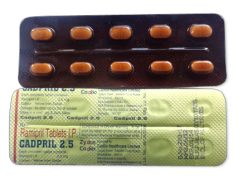
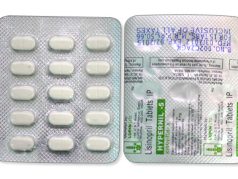
ACE Inhibitors: Perindopril and Ramipril work by relaxing blood vessels, making it easier for the heart to pump blood efficiently. These medications are particularly beneficial for patients with diabetes or kidney problems.
Calcium Channel Blockers: Amlodipine and Felodipine prevent calcium from entering heart and blood vessel cells, helping to relax and widen arteries, thereby reducing blood pressure.
Beta-blockers: Metoprolol and Atenolol reduce heart rate and the heart's workload by blocking certain nerve impulses, particularly useful for patients with heart rhythm disorders.
Diuretics: Hydrochlorothiazide and Indapamide help eliminate excess sodium and water from the body, reducing blood volume and pressure on artery walls.
Alongside medication, lifestyle changes play a crucial role in managing hypertension. Regular home blood pressure monitoring, reducing sodium intake, maintaining a healthy weight, and incorporating regular exercise can significantly improve blood pressure control. Seek medical advice if readings consistently exceed 140/90 mmHg or if experiencing symptoms like severe headaches, chest pain, or shortness of breath.
Managing cholesterol levels is fundamental to preventing cardiovascular disease and maintaining optimal heart health. High cholesterol contributes significantly to the development of atherosclerosis, where fatty deposits build up in arteries, increasing the risk of heart attacks and strokes.
Australia offers several effective statin medications through the Pharmaceutical Benefits Scheme (PBS). These medications work by reducing cholesterol production in the liver:
For patients who cannot tolerate statins or require additional cholesterol reduction, other medications are available. Ezetimibe works by blocking cholesterol absorption in the intestines and can be used alone or combined with statins. Fibrates are particularly useful for patients with high triglyceride levels alongside elevated cholesterol.
Lifestyle modifications remain crucial, including following a heart-healthy diet rich in fruits, vegetables, and whole grains, combined with regular physical activity. Regular blood tests every 6-12 months help monitor treatment effectiveness and adjust medications as needed.
Heart rhythm disorders, particularly atrial fibrillation, significantly increase the risk of stroke and other cardiovascular complications. Effective management requires appropriate anticoagulation therapy to prevent dangerous blood clots whilst carefully balancing bleeding risks.
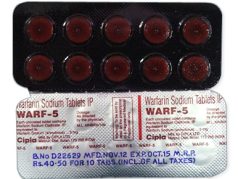
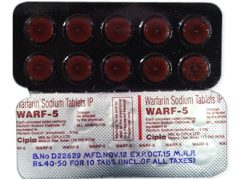
Australian patients have access to several anticoagulation options through the PBS. Warfarin remains a cornerstone therapy, requiring regular INR monitoring to maintain therapeutic levels. However, direct oral anticoagulants (DOACs) have revolutionised treatment by offering predictable effects without routine monitoring:
Low-dose aspirin provides valuable cardiovascular protection for many patients, particularly those with established heart disease or multiple risk factors. Clopidogrel serves as an alternative for aspirin-intolerant patients or provides additional protection when used in combination therapy following acute coronary events.
Managing these medications requires careful consideration of drug interactions, particularly with common medications like antibiotics and pain relievers. Regular consultation with your pharmacist ensures safe, effective treatment whilst monitoring for any adverse effects or necessary dosage adjustments.
Heart failure occurs when your heart cannot pump blood effectively throughout your body. Understanding the symptoms and stages is crucial for proper management. Common symptoms include shortness of breath, fatigue, swollen legs or ankles, and difficulty exercising.
ACE inhibitors and ARBs help relax blood vessels and reduce the workload on your heart. Popular options include ramipril, perindopril, and candesartan. Beta-blockers specifically designed for heart failure, such as carvedilol and metoprolol, slow your heart rate and improve its pumping efficiency.
Diuretics like furosemide help manage fluid retention by removing excess water from your body. Newer treatments include SGLT2 inhibitors such as dapagliflozin, which have shown remarkable benefits in heart failure patients, even those without diabetes.
Regular monitoring of your weight, blood pressure, and symptoms is essential. Your healthcare team will adjust medications based on your response and any side effects. Lifestyle changes including reducing salt intake, gentle exercise, and limiting fluid intake may be recommended.
Seek immediate medical attention if you experience sudden weight gain, increased shortness of breath, chest pain, or severe swelling, as these may indicate worsening heart failure requiring urgent treatment.
Taking your cardiovascular medications exactly as prescribed is vital for preventing heart attacks, strokes, and other complications. Missing doses or stopping medications without medical supervision can lead to serious health consequences and hospitalisation.
Cardiovascular medications may cause side effects such as dizziness, fatigue, or persistent dry cough. Some medications can interact with over-the-counter medicines, supplements, or even certain foods. Always inform your pharmacist about all medications and supplements you're taking.
Your local pharmacist and GP work together to ensure optimal treatment outcomes. Regular health checks and blood tests monitor your response to treatment and detect any potential issues early.
Most cardiovascular medications are covered under the Pharmaceutical Benefits Scheme (PBS), making them more affordable. Your pharmacist can help you understand:
Always store medications in cool, dry places away from direct sunlight, and return expired medications to your local pharmacy for safe disposal through the Return Unwanted Medicines (RUM) program.