Cholesterol is a waxy, fat-like substance naturally produced by your liver and found in every cell of your body. While essential for creating hormones, vitamin D, and bile acids that help digest fats, too much cholesterol in your blood can pose serious health risks.
Not all cholesterol is created equal. Low-density lipoprotein (LDL) cholesterol, often called "bad" cholesterol, can build up in artery walls, forming plaques that narrow and harden arteries. High-density lipoprotein (HDL) cholesterol, known as "good" cholesterol, helps transport cholesterol back to the liver for disposal, actually protecting against heart disease.
High cholesterol significantly increases your risk of cardiovascular disease, heart attack, and stroke. When LDL cholesterol accumulates in arteries, it restricts blood flow to vital organs, potentially causing life-threatening complications.
Several factors influence cholesterol levels, including:
Australian health guidelines recommend total cholesterol levels below 5.5 mmol/L, with LDL below 3.5 mmol/L for healthy adults. Adults should have cholesterol tested every five years from age 45, or earlier if risk factors are present.
Several effective cholesterol-lowering medications are available through Australian pharmacies, each working through different mechanisms to reduce cardiovascular risk.
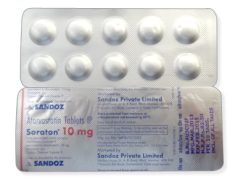
Statins remain the first-line treatment for high cholesterol, working by blocking an enzyme your liver uses to produce cholesterol. Common statins available in Australia include atorvastatin (Lipitor), rosuvastatin (Crestor), and simvastatin (Zocor). These medications can reduce LDL cholesterol by 20-60% depending on the dose and individual response.
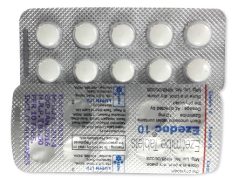
Ezetimibe (Zetia) works differently by blocking cholesterol absorption in the small intestine, making it useful for patients who cannot tolerate statins or need additional cholesterol reduction. For severe cases or familial hypercholesterolaemia, PCSK9 inhibitors like evolocumab may be prescribed, though these require special authority approval.
Combination medications containing both a statin and ezetimibe offer convenience and improved compliance for some patients. These include products like Vytorin, which combines simvastatin and ezetimibe in a single tablet.
All cholesterol medications in Australia require a prescription from your GP or specialist. Your doctor will assess your overall cardiovascular risk, medical history, and current health status before recommending the most appropriate treatment option for your individual needs.
Lipitor (atorvastatin) remains one of Australia's most prescribed cholesterol medications, available in tablets ranging from 10mg to 80mg. It's highly effective at reducing LDL cholesterol and is often the first-line treatment recommended by Australian GPs. Crestor (rosuvastatin) is another popular option, known for its potent cholesterol-lowering effects and excellent safety profile. Available in 5mg, 10mg, 20mg, and 40mg tablets, Crestor is particularly effective for patients requiring significant cholesterol reduction.
Zetia (ezetimibe) works differently by blocking cholesterol absorption in the intestine. It's often used in combination with statins for enhanced cholesterol management or as an alternative for patients who cannot tolerate statins. Many of these medications are available as PBS-subsidised options, making treatment more affordable for Australian patients.
Australian pharmacies stock various cholesterol support supplements including plant sterol products, red yeast rice, and omega-3 fatty acids. Plant sterol margarines and supplements can help reduce cholesterol absorption naturally. These products complement prescription treatments and lifestyle changes, though they should be used under professional guidance.
Cholesterol medications typically start at low doses to minimise side effects. Atorvastatin usually begins at 10-20mg daily, while rosuvastatin often starts at 5-10mg daily. Most cholesterol medications are taken once daily, preferably in the evening, as the body produces more cholesterol during nighttime hours.
Dose adjustments depend on cholesterol response and tolerance. Your pharmacist or GP will monitor liver function and muscle symptoms, adjusting dosages to achieve target cholesterol levels while minimising adverse effects.
Understanding the potential side effects of cholesterol medications, particularly statins, is crucial for safe and effective treatment. Whilst these medications are generally well-tolerated, being aware of possible adverse effects helps ensure your safety throughout your treatment journey.
Most Australians taking statins experience minimal side effects, but some common reactions may include headaches, digestive issues such as nausea or constipation, and mild muscle discomfort. These effects are typically temporary and may diminish as your body adjusts to the medication. Some patients also report sleep disturbances or dizziness, particularly when starting treatment.
Muscle-related side effects require particular attention when taking statin medications. Contact your healthcare provider immediately if you experience unexplained muscle pain, tenderness, or weakness, especially if accompanied by fever or fatigue. Whilst serious muscle problems are rare, early detection and management are essential for your safety.
Regular liver function monitoring is an important aspect of statin therapy. Your doctor will typically arrange blood tests before starting treatment and periodically thereafter to ensure your liver is processing the medication safely. Australian clinical guidelines recommend monitoring liver enzymes, particularly during the initial months of treatment.
Cholesterol medications can interact with various other medicines, including some antibiotics, antifungal medications, and blood thinners. Always inform your pharmacist and doctor about all medications, supplements, and herbal products you're taking. This includes over-the-counter medications and complementary medicines commonly used in Australia.
If you experience side effects, don't stop your medication without consulting your healthcare provider. Many side effects can be managed through dose adjustments, timing changes, or switching to alternative medications. Your pharmacist can provide valuable guidance on taking your medication with or without food and the optimal timing for your individual circumstances.
Medication is just one component of effective cholesterol management. Combining your prescribed treatment with healthy lifestyle choices maximises your cardiovascular benefits and may allow for lower medication doses whilst achieving optimal cholesterol levels.
The Australian Dietary Guidelines recommend a heart-healthy eating pattern rich in vegetables, fruits, whole grains, and lean proteins. Focus on incorporating foods high in soluble fibre, such as oats, legumes, and apples, which can help reduce cholesterol absorption. Limit saturated fats found in processed foods and choose healthier cooking oils like olive or canola oil. Consider the Mediterranean-style eating pattern, which has strong evidence for cardiovascular protection.
Regular physical activity is one of the most effective ways to improve your cholesterol profile and overall cardiovascular health. The Australian Physical Activity Guidelines recommend at least 150 minutes of moderate-intensity exercise weekly, such as brisk walking, swimming, or cycling. Even small increases in daily activity, like taking the stairs or walking to local shops, can make a meaningful difference to your health outcomes.
Maintaining a healthy weight supports optimal cholesterol levels and reduces cardiovascular risk. Focus on sustainable changes rather than rapid weight loss, aiming to lose 0.5-1 kilogram per week if weight reduction is needed. Portion control, regular meal timing, and choosing nutrient-dense foods over energy-dense processed options are effective strategies that align with Australian nutritional recommendations.
Smoking significantly worsens cholesterol profiles and cardiovascular risk. Many Australian pharmacies offer smoking cessation programs, including nicotine replacement therapy, counselling support, and quit smoking medications. The Quitline (13 7848) provides free telephone support, and your pharmacist can help you develop a personalised quit plan that complements your cholesterol treatment.
Consistent monitoring helps ensure your treatment remains effective and safe. Most Australians require cholesterol checks every 6-12 months once treatment is stable, though initial monitoring may be more frequent. Take advantage of eligible health checks under Medicare, including Heart Health Checks for adults aged 45-74 years, or from 30 years for Aboriginal and Torres Strait Islander peoples.
Your local pharmacist is an accessible healthcare professional who can provide ongoing support throughout your cholesterol management journey. They can help with medication adherence, monitoring for side effects, and coordinating with your doctor when adjustments are needed. Many Australian pharmacies offer clinical services such as blood pressure monitoring and medication reviews, which complement your cholesterol treatment and support your overall cardiovascular health.