Diabetes is a chronic condition that occurs when your body cannot properly regulate blood glucose levels. This happens either because your pancreas doesn't produce enough insulin (Type 1 diabetes) or your body becomes resistant to insulin's effects (Type 2 diabetes). When left unmanaged, elevated blood glucose can damage blood vessels, nerves, and vital organs throughout your body.
Regular blood glucose monitoring is essential for effective diabetes management. Australian pharmacies stock various glucose metres and test strips from trusted brands like Accu-Chek, FreeStyle, and OneTouch. Your target blood glucose range is typically 4-6 mmol/L before meals and 6-8 mmol/L two hours after eating, though your healthcare provider may set individual targets based on your specific needs and circumstances.
Managing Type 2 diabetes often requires oral medications alongside lifestyle modifications. Australian pharmacies stock various diabetes medications, each working through different mechanisms to help control your blood glucose levels effectively.
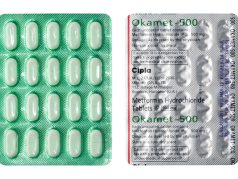
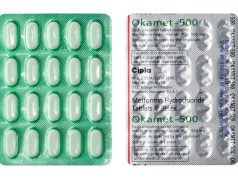
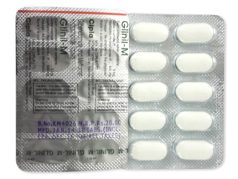
Metformin is typically the first-line treatment for Type 2 diabetes in Australia. It works by reducing glucose production in your liver and improving your body's insulin sensitivity. Most people tolerate metformin well, though some may experience mild gastrointestinal side effects initially.
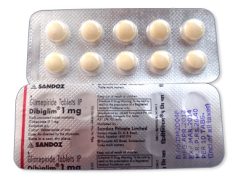
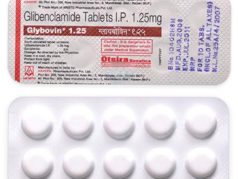
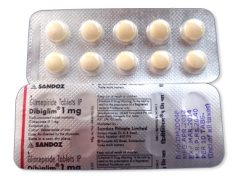
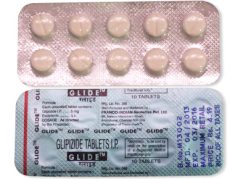
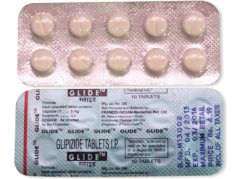
Sulfonylureas, including glimepiride and gliclazide, stimulate your pancreas to release more insulin. These medications are particularly effective for people whose pancreas still produces some insulin naturally.
SGLT2 inhibitors work by preventing your kidneys from reabsorbing glucose, allowing excess sugar to be eliminated through urine. These medications may also provide cardiovascular and kidney protection benefits.
Always consult your healthcare provider or pharmacist about potential interactions with other medications and proper timing of doses with meals.
Injectable diabetes treatments play a crucial role in managing both Type 1 and Type 2 diabetes when oral medications alone are insufficient. Australian pharmacies stock a comprehensive range of insulin products and injectable therapies to help patients maintain optimal blood glucose control and improve their quality of life.
Understanding the various insulin types available in Australian pharmacies is essential for effective diabetes management. Each type serves a specific purpose in mimicking the body's natural insulin production patterns.
Australian pharmacies offer various delivery systems to suit different patient preferences and lifestyles. Insulin pens have become increasingly popular due to their convenience and accuracy, featuring pre-filled cartridges and disposable needles. Traditional insulin syringes remain available for patients who prefer this method or require specific dosing flexibility. Many pharmacies also stock insulin pump supplies for patients using continuous glucose delivery systems.
GLP-1 receptor agonists represent an important class of injectable diabetes medications available through Australian pharmacies. These medications work by stimulating insulin release when blood glucose levels are elevated whilst also slowing gastric emptying and promoting satiety. Popular GLP-1 agonists include semaglutide, liraglutide, and dulaglutide, which are typically administered weekly or daily depending on the specific product.
Correct injection technique is vital for ensuring optimal medication absorption and preventing complications such as lipodystrophy. Australian pharmacy staff can provide guidance on proper injection methods, including selecting appropriate needle lengths and angles for subcutaneous administration. Site rotation between the abdomen, thighs, upper arms, and buttocks helps prevent tissue damage and maintains consistent absorption rates.
Proper storage of injectable diabetes medications is crucial for maintaining their effectiveness. Unopened insulin and GLP-1 agonists should be stored in the refrigerator between 2-8°C, whilst in-use products can typically be kept at room temperature for 28-42 days depending on the specific medication. Australian pharmacies can provide insulated storage cases for travel and emphasise the importance of never freezing these medications or exposing them to extreme temperatures.
Coordinating insulin administration with meals is essential for preventing dangerous blood glucose fluctuations. Rapid-acting insulin should typically be taken 15 minutes before eating, whilst short-acting insulin requires 30 minutes lead time. Long-acting insulin provides background coverage and is usually taken at the same time daily, regardless of meals. Australian diabetes educators and pharmacists can help patients develop personalised timing schedules based on their lifestyle and glucose monitoring results.
Special considerations apply when managing injectable diabetes treatments during illness or travel within Australia or overseas. During illness, blood glucose levels may fluctuate significantly, requiring more frequent monitoring and potential dose adjustments under medical supervision. For travel, patients should carry extra supplies, prescription letters, and ensure proper storage throughout their journey. Australian pharmacies can provide travel packs and advice on managing time zone changes that may affect injection schedules.
Accurate blood glucose monitoring forms the cornerstone of effective diabetes management in Australia. Blood glucose test strips are essential for obtaining reliable readings, and it's crucial to ensure they're compatible with your glucose metre and stored properly in our climate. Always check expiry dates and store strips in a cool, dry place away from direct sunlight.
Quality lancets and lancing devices ensure comfortable blood sampling whilst minimising discomfort. Ketone testing strips become vital during illness or when blood glucose levels exceed 15mmol/L, helping detect diabetic ketoacidosis early. Your GP may recommend HbA1c testing every 3-6 months to assess long-term glucose control over the previous 2-3 months.
Continuous glucose monitoring (CGM) systems provide real-time glucose readings without frequent finger pricks, offering valuable insights into glucose patterns. Maintaining accurate diabetes logs helps identify trends and supports discussions with your healthcare team. Testing frequency varies by diabetes type and treatment plan, but most people benefit from checking before meals and at bedtime, with additional tests during illness or exercise.
Diabetic-friendly supplements can complement your management plan, including chromium, omega-3 fatty acids, and vitamin D. Always consult your pharmacist or GP before starting new supplements, as they may interact with diabetes medications or affect blood glucose levels.
Proper foot care prevents serious complications common in diabetes. Diabetic socks with seamless construction and moisture-wicking properties reduce friction and maintain healthy circulation. Specialised foot care products including moisturisers, antifungal treatments, and protective padding help maintain foot health in Australia's varied climate conditions.
Blood pressure monitors enable comprehensive cardiovascular health tracking, as diabetes increases heart disease risk. Emergency glucose products such as glucose tablets, gels, or jelly beans are essential for treating hypoglycaemia episodes quickly and effectively.
Low blood sugar (hypoglycaemia) symptoms include shakiness, sweating, confusion, and rapid heartbeat. Treat immediately with 15g of fast-acting carbohydrates, wait 15 minutes, then retest. High blood sugar (hyperglycaemia) may cause increased thirst, frequent urination, and fatigue. Seek immediate medical attention if blood glucose exceeds 20mmol/L or ketones are present.
Diabetes affects wound healing and increases infection risk. Specialised diabetic wound care products including sterile dressings, antiseptic solutions, and protective padding should be readily available. Inspect feet daily and seek prompt medical attention for any cuts, blisters, or changes in colour or temperature.
Organised travel kits containing extra supplies, medications, and emergency contacts ensure preparedness whether travelling across Australia or internationally. Your diabetes care team should include your GP, endocrinologist, diabetes educator, and pharmacist working collaboratively. Schedule regular health checks including eye examinations, kidney function tests, and foot assessments. An emergency action plan outlining steps for various scenarios, emergency contacts, and medication lists provides peace of mind and ensures prompt, appropriate treatment during crises.