Male pattern baldness affects approximately 70% of Australian men at some point in their lives. This hereditary condition typically begins with a receding hairline and crown thinning, progressing gradually over time. The condition is caused by sensitivity to dihydrotestosterone (DHT), a hormone that miniaturises hair follicles.
Women experience hair thinning differently, usually noticing diffuse thinning across the crown rather than distinct bald patches. This condition often becomes more noticeable after menopause due to hormonal changes, though it can begin earlier in some cases.
Hair loss can result from various factors beyond genetics:
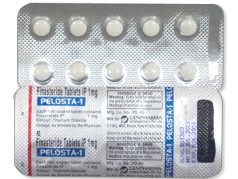
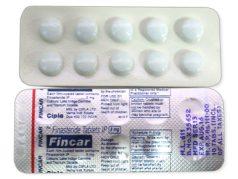
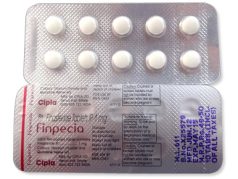
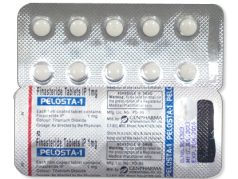
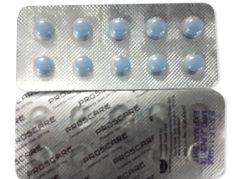
Finasteride is the most commonly prescribed oral medication for male pattern baldness in Australia. This daily tablet works by blocking the enzyme that converts testosterone to DHT, effectively reducing hair loss and promoting regrowth in many men. Clinical studies show that 83% of men maintain their hair count after two years of treatment.
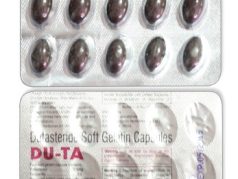
Dutasteride offers an alternative oral treatment that blocks DHT more comprehensively than finasteride. While originally developed for prostate conditions, it's increasingly prescribed off-label for hair loss when finasteride proves insufficient.
Higher-strength minoxidil solutions (above 5%) are available through prescription and can be compounded with additional ingredients like tretinoin or azelaic acid for enhanced effectiveness. These formulations are suitable for both men and women.
Prescription hair loss treatments require consultation with a qualified healthcare provider. Some medications may be available under PBS subsidies, making treatment more affordable for eligible patients. Results typically become noticeable after 3-6 months of consistent use, with optimal results seen after 12 months. Treatment must be ongoing to maintain benefits, as hair loss will resume if medication is discontinued.
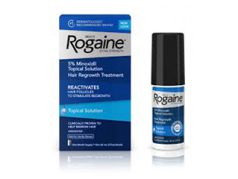
Minoxidil remains the most clinically proven over-the-counter treatment for hair loss available in Australian pharmacies. Available under the brand name Regaine and various generic formulations, minoxidil solutions come in 2% and 5% concentrations. The 5% solution is typically recommended for men, whilst the 2% concentration is often preferred for women. These topical treatments work by increasing blood flow to hair follicles and extending the growth phase of hair.
Hair growth shampoos and conditioners containing active ingredients like ketoconazole, caffeine, and biotin can support scalp health and complement other treatments. Caffeine-based products have gained popularity for their ability to stimulate hair follicles and block DHT at the scalp level. Scalp treatments and serums offer targeted delivery of nutrients and growth factors directly to the hair roots.
Successful treatment requires consistent daily application. Most topical solutions should be applied to clean, dry scalp twice daily, with results typically visible after 3-4 months of regular use. Natural and herbal remedies, including rosemary oil and pumpkin seed extract, provide gentler alternatives for those seeking plant-based solutions.
Biotin and B-vitamin complexes form the foundation of nutritional hair support, promoting keratin production and healthy hair structure. These water-soluble vitamins are crucial for cellular metabolism and hair follicle function. Iron supplements address deficiency-related hair loss, particularly common in women, as iron plays a vital role in oxygen transport to hair follicles.
Zinc and selenium work synergistically to support hair growth and scalp health. Zinc deficiency can lead to hair thinning and loss, whilst selenium provides antioxidant protection for hair follicles. These minerals are essential for protein synthesis and maintaining healthy hair cycles.
Saw palmetto extract offers a natural approach to blocking dihydrotestosterone (DHT), the hormone responsible for male pattern baldness. Collagen supplements support hair structure by providing amino acids necessary for keratin production. Many Australian pharmacies stock comprehensive combination formulas that include:
These targeted formulations provide convenient, comprehensive nutritional support for individuals experiencing hair thinning or seeking to maintain healthy hair growth.
Understanding the extent and type of your hair loss is crucial for selecting the most effective treatment approach. Hair loss patterns can vary significantly between individuals, with some experiencing gradual thinning whilst others may notice more concentrated areas of loss. The Norwood-Hamilton scale for men and the Ludwig scale for women are commonly used classification systems that help determine the stage and progression of hair loss. Early intervention often yields better results, so recognising the signs early can make a substantial difference in treatment outcomes.
Before beginning any hair loss treatment regimen, it's essential to consult with qualified healthcare professionals who can provide personalised advice based on your specific condition. Your local GP can conduct initial assessments and may refer you to specialists if necessary. Australian pharmacists are also valuable resources, particularly for over-the-counter treatments and can provide guidance on proper usage and potential interactions with other medications you may be taking.
Many Australians find success with combination therapies that address hair loss from multiple angles. This might include:
Setting realistic expectations is vital for successful hair loss treatment. Most treatments require several months before visible improvements become apparent, with many requiring 6-12 months for optimal results. It's important to understand that whilst treatments can slow hair loss and promote regrowth, they may not restore hair to its original density. Patience and consistency are key factors in achieving the best possible outcomes.
Regular monitoring of your treatment progress allows for necessary adjustments to maximise effectiveness. Taking monthly photographs from consistent angles can help track improvements that might not be immediately noticeable day-to-day. Keep a treatment diary noting any side effects, changes in hair texture or density, and overall scalp health. This information is invaluable for healthcare providers when fine-tuning your treatment plan.
Consider consulting a dermatologist specialising in hair disorders if you experience rapid hair loss, unusual patterns of loss, scalp irritation or inflammation, or if over-the-counter treatments haven't provided satisfactory results after 6-12 months. Dermatologists can offer advanced treatment options and may identify underlying conditions that require specialised care.
Adopting gentle hair care practices can significantly support your hair loss treatment efforts and maintain overall scalp health. Use lukewarm water when washing your hair, as hot water can strip natural oils and irritate the scalp. Choose mild, sulphate-free shampoos and avoid aggressive towel drying. Instead, gently pat your hair dry or use a microfibre towel. When brushing, use wide-toothed combs or soft-bristled brushes, starting from the ends and working upwards to minimise breakage.
A balanced diet rich in essential nutrients supports healthy hair growth from within. Focus on incorporating foods high in iron, zinc, biotin, and vitamins A, C, and D. Lean proteins are particularly important as hair is primarily composed of keratin, a protein structure. Australian dietary staples such as fish, lean meats, leafy greens, nuts, and legumes provide excellent nutritional support for hair health. Consider discussing nutritional supplements with your pharmacist or healthcare provider if dietary intake alone is insufficient.
Chronic stress can significantly impact hair health and may accelerate hair loss in susceptible individuals. Incorporating stress management techniques into your daily routine can benefit both your overall wellbeing and hair health. Regular exercise, meditation, yoga, or simply taking time for activities you enjoy can help reduce stress levels. The Australian climate provides excellent opportunities for outdoor activities that combine exercise with stress relief, such as beach walks, hiking, or cycling.
Regular scalp massage can improve blood circulation to hair follicles, potentially supporting healthy hair growth. Spend 5-10 minutes daily gently massaging your scalp with your fingertips using circular motions. This can be done during shampooing or as part of your daily routine. Some people find using essential oils like rosemary or peppermint oil during massage beneficial, though these should be diluted with a carrier oil to prevent scalp irritation.
Minimise exposure to potentially damaging hair treatments and styling practices that can weaken hair and exacerbate loss. This includes:
Maintaining healthy hair requires ongoing commitment and consistency in your care routine. Regular check-ups with healthcare providers can help monitor your progress and adjust treatments as needed. Protect your hair and scalp from Australia's harsh UV rays by wearing hats or using UV-protective hair products when spending extended time outdoors. Remember that hair health is closely linked to overall health, so maintaining good general health practices will benefit your hair in the long term.