Human Immunodeficiency Virus (HIV) is a virus that attacks the body's immune system, specifically targeting CD4 cells (T-helper cells). HIV and AIDS (Acquired Immunodeficiency Syndrome) are related but distinct conditions. HIV is the virus itself, whilst AIDS represents the advanced stage of HIV infection when the immune system becomes severely compromised. Not everyone with HIV will develop AIDS, particularly with proper medical treatment and care.
HIV progressively weakens the immune system by destroying CD4 cells, making individuals more susceptible to opportunistic infections and certain cancers. The virus is transmitted through specific bodily fluids including blood, semen, vaginal fluids, rectal fluids, and breast milk. Common transmission methods include unprotected sexual contact, sharing needles, and mother-to-child transmission during pregnancy, childbirth, or breastfeeding.
HIV infection progresses through three stages: acute infection, chronic infection, and AIDS. Early detection through regular testing is crucial as it enables prompt treatment initiation, significantly improving health outcomes and reducing transmission risk to others.
Several HIV testing options are available across Australia, each with different detection timeframes and accuracy levels:
HIV testing is available through various healthcare providers in Australia, including GPs, sexual health clinics, community health centres, and specialised testing services. Many services offer free and confidential testing. The window period varies by test type, ranging from 10 days to 3 months after potential exposure. Understanding test results requires proper counselling, as false positives and negatives can occur during the window period.
All HIV testing in Australia maintains strict confidentiality standards. Regular testing is recommended for sexually active individuals, particularly those with multiple partners, men who have sex with men, people who inject drugs, and individuals from high-prevalence communities. Testing frequency recommendations vary from 3-12 months depending on individual risk factors.
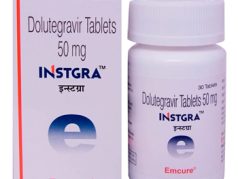
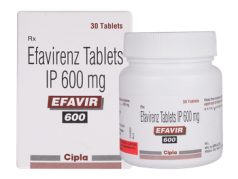
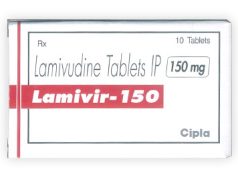
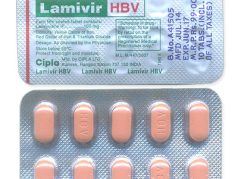
Australia offers comprehensive HIV treatment through antiretroviral therapy (ART), which has transformed HIV from a life-threatening condition to a manageable chronic illness. The Pharmaceutical Benefits Scheme (PBS) subsidises most HIV medications, making treatment accessible to all Australians living with HIV.
Modern HIV treatment typically involves combination therapy using medications from different drug classes to effectively suppress viral replication. This approach prevents HIV from developing resistance and maintains an undetectable viral load, which means the virus cannot be transmitted to sexual partners.
The primary goal is achieving and maintaining an undetectable viral load whilst preserving immune function. Regular monitoring includes viral load testing, CD4 cell counts, and screening for side effects. Most patients achieve undetectable status within six months of starting treatment.
Medication adherence is crucial for treatment success. Modern HIV medications generally have fewer side effects than older treatments, but some patients may experience nausea, headaches, or fatigue. Your healthcare provider will work with you to manage any side effects and ensure optimal treatment outcomes.
Australia implements comprehensive HIV prevention strategies through public health initiatives, community programs, and accessible healthcare services. These evidence-based approaches have significantly reduced HIV transmission rates across Australian communities.
Pre-exposure prophylaxis (PrEP) is available through the PBS for individuals at high risk of HIV infection. When taken correctly, PrEP reduces transmission risk by over 95%. Post-exposure prophylaxis (PEP) must be commenced within 72 hours of potential exposure and is available through emergency departments and sexual health clinics.
Australia's needle and syringe programs provide sterile injecting equipment, reducing transmission amongst people who inject drugs. Safe sex education promotes consistent condom use and open communication about sexual health between partners.
Regular HIV testing is recommended for sexually active individuals, particularly those with multiple partners or engaging in higher-risk activities. Free, confidential testing is available through:
Healthcare providers offer personalised risk reduction counselling, helping individuals understand their HIV risk factors and develop appropriate prevention strategies. Partner notification services ensure sexual partners are informed and tested following HIV diagnoses, breaking transmission chains within communities.
Modern HIV treatment in Australia focuses on achieving an undetectable viral load through consistent antiretroviral therapy (ART). When HIV medication is taken as prescribed, the virus can be suppressed to undetectable levels in the blood, typically defined as fewer than 50 copies of the virus per millilitre. This achievement represents one of the most significant advances in HIV care and has transformed the condition from a life-threatening diagnosis to a manageable chronic condition for most Australians.
The U=U campaign has revolutionised understanding of HIV transmission in Australia. Scientific evidence confirms that people with HIV who maintain an undetectable viral load for at least six months cannot sexually transmit the virus to others. This breakthrough has profound implications for reducing HIV stigma and improving quality of life for Australians living with HIV, whilst also serving as a powerful prevention tool.
Living well with HIV in Australia requires attention to several key areas:
Australia offers extensive support systems for people living with HIV. Leading organisations such as ACON, Positive Life, and the Australian Federation of AIDS Organisations provide vital services including peer support, advocacy, and education. These organisations work alongside government assistance programmes to ensure comprehensive care access across metropolitan and regional areas.
The Pharmaceutical Benefits Scheme (PBS) provides subsidised access to HIV medications for all eligible Australians, significantly reducing treatment costs. Specialised HIV healthcare provider networks operate through major hospitals and community health centres, particularly in Sydney, Melbourne, Brisbane, Perth, and Adelaide. Many centres offer integrated services including counselling, mental health support, and peer support groups. National helplines and online resources provide 24-hour assistance, whilst government programmes offer additional support for housing, employment, and disability services when required.