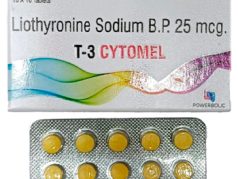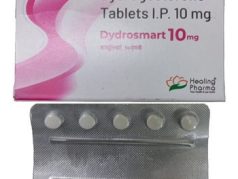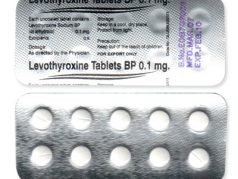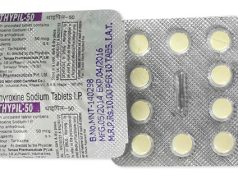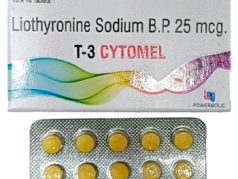
Thyroid hormones are essential chemical messengers produced by the thyroid gland that regulate metabolism, energy production, and overall body function. The primary thyroid hormones, thyroxine (T4) and triiodothyronine (T3), control how quickly your body uses energy and affects nearly every organ system.
In Australia, thyroid conditions are relatively common, affecting approximately 10% of the population. Hypothyroidism occurs when the thyroid gland doesn't produce enough hormones, leading to symptoms like fatigue, weight gain, and depression. Conversely, hyperthyroidism results from excessive hormone production, causing rapid heartbeat, weight loss, and anxiety.
Thyroid hormone replacement therapy works by supplementing or replacing the hormones your thyroid cannot produce adequately. These medications restore normal hormone levels, alleviating symptoms and preventing complications. Regular monitoring through blood tests measuring TSH (thyroid-stimulating hormone) levels is crucial to ensure optimal dosing and treatment effectiveness.
Sex hormones including oestrogen, progesterone, and testosterone play vital roles in reproductive health, bone density, mood regulation, and overall wellbeing. As people age, natural hormone production declines, particularly during menopause in women and andropause in men.
Menopause management often involves hormone replacement therapy (HRT) to alleviate symptoms such as hot flushes, night sweats, mood changes, and bone loss. HRT can significantly improve quality of life when used appropriately under medical supervision.
Hormone replacement therapy offers benefits including symptom relief, bone protection, and improved energy levels. However, considerations include individual risk factors, duration of treatment, and potential side effects. For men experiencing low testosterone, treatment options can restore energy, libido, and muscle mass while supporting overall health and vitality.
Insulin plays a crucial role in maintaining healthy blood glucose levels by enabling cells to absorb glucose from the bloodstream. When the body cannot produce sufficient insulin or use it effectively, hormone intervention becomes essential for managing diabetes. Both Type 1 and Type 2 diabetes may require insulin therapy, with Type 1 diabetics requiring lifelong insulin replacement and some Type 2 diabetics needing supplemental insulin when other treatments prove insufficient.
Modern insulin therapy offers various formulations to match individual needs and lifestyle requirements. These include:
Popular insulin brands available in Australia include NovoRapid for rapid glucose control, Lantus and Levemir for long-acting coverage, and Humalog for flexible mealtime management. Regular blood glucose monitoring remains essential for effective diabetes management, helping patients and healthcare providers adjust dosing and timing appropriately.
Proper insulin storage requires refrigeration until first use, followed by room temperature storage for up to 28 days. Administration techniques vary from traditional syringes to modern pen devices and insulin pumps, each requiring proper training for safe and effective use.
Human growth hormone deficiency affects both children and adults, though presentations differ significantly between age groups. In children, insufficient growth hormone leads to short stature and delayed physical development, whilst adults may experience decreased muscle mass, increased body fat, reduced bone density, and diminished quality of life. Early diagnosis and intervention prove crucial for optimal treatment outcomes.
Growth hormone therapy applications extend beyond childhood growth disorders to include adult hormone deficiency and specific medical conditions. Treatment options available in Australia include:
Treatment monitoring involves regular assessments of growth velocity in children and symptom improvement in adults. Expected outcomes include increased height velocity, improved body composition, enhanced energy levels, and better overall wellbeing. Age-related considerations significantly influence therapy duration, dosing strategies, and monitoring requirements, with paediatric patients requiring ongoing assessment until reaching final adult height and adult patients needing long-term hormone replacement for sustained benefits.
The adrenal glands produce essential hormones that regulate stress response, metabolism, and immune function. Cortisol, often called the "stress hormone," plays a crucial role in managing inflammation, blood sugar levels, and the body's response to physical and emotional stress. When the adrenal glands cannot produce adequate amounts of these vital hormones, hormone replacement therapy becomes necessary to maintain proper bodily functions.
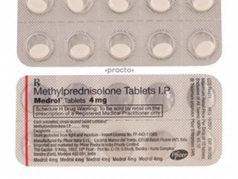
Several conditions require corticosteroid replacement to compensate for inadequate natural hormone production. Primary adrenal insufficiency (Addison's disease) occurs when the adrenal glands are damaged and cannot produce sufficient cortisol and aldosterone. Secondary adrenal insufficiency may result from pituitary gland disorders or prolonged corticosteroid use that suppresses natural hormone production.
Common corticosteroid medications available in Australia include:
Managing adrenal insufficiency requires careful monitoring and gradual dose adjustments. When discontinuing corticosteroids, tapering is essential to prevent withdrawal symptoms and allow natural adrenal function to recover. Abrupt cessation can lead to dangerous adrenal crisis, making professional medical supervision crucial throughout treatment.
Reproductive hormones orchestrate fertility, menstrual cycles, and sexual development. Key hormones include follicle-stimulating hormone (FSH), luteinising hormone (LH), oestrogen, progesterone, and testosterone. These hormones work together to regulate ovulation, sperm production, and maintain reproductive health. Imbalances can significantly impact fertility and overall wellbeing.
Modern fertility treatments utilise hormone medications to stimulate ovulation and improve conception chances. These medications are particularly beneficial for couples experiencing difficulty conceiving naturally or undergoing assisted reproductive technologies like IVF.
Available fertility treatments in Australia include:
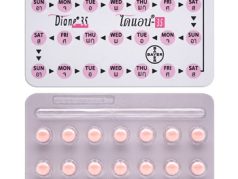
Contraceptive hormones provide reliable birth control through combined oral contraceptives, progestin-only pills, implants, and intrauterine devices. These methods regulate menstrual cycles and can help manage conditions like polycystic ovary syndrome (PCOS). PCOS treatment often involves hormonal therapies to restore regular ovulation, reduce androgen levels, and improve metabolic symptoms.