High blood pressure, or hypertension, occurs when the force of blood against your artery walls is consistently too high. This condition makes your heart work harder to pump blood throughout your body, potentially damaging your arteries and organs over time. In Australia, hypertension affects approximately one in three adults, making it a significant health concern that requires proper management and treatment.
According to Australian health guidelines, normal blood pressure is less than 120/80 mmHg. Readings between 120-139/80-89 mmHg are considered high-normal, whilst hypertension is diagnosed when readings consistently exceed 140/90 mmHg. For Australians over 80 years, the target may be slightly higher at 150/90 mmHg. Regular monitoring helps ensure your blood pressure remains within healthy ranges.
Common risk factors include advancing age, family history, obesity, excessive salt intake, lack of physical activity, smoking, and excessive alcohol consumption. Many Australians experience no symptoms initially, which is why hypertension is often called the "silent killer." However, some may experience:
Untreated hypertension can lead to serious complications including heart disease, stroke, kidney disease, and vision problems. Seek immediate medical attention if you experience severe symptoms or readings above 180/120 mmHg.
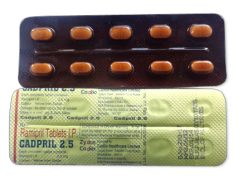
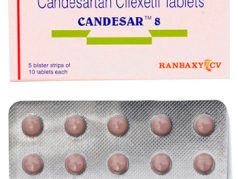
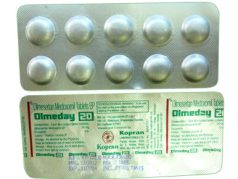
ACE inhibitors work by blocking the production of angiotensin II, a hormone that narrows blood vessels, whilst ARBs block the action of this hormone directly. Both medication types are commonly prescribed in Australia and help relax blood vessels, making it easier for your heart to pump blood effectively.
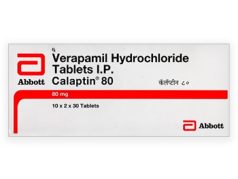
Calcium channel blockers prevent calcium from entering heart and blood vessel cells, causing blood vessels to relax and widen. Thiazide and thiazide-like diuretics, often called "water pills," help your kidneys remove excess sodium and water from your body, reducing blood volume and pressure.
Beta-blockers reduce your heart rate and the force of heart contractions, decreasing the amount of blood pumped through your arteries. Many Australians benefit from combination medications that include two or more different types of blood pressure medicines in one tablet, improving convenience and adherence to treatment whilst providing superior blood pressure control compared to single medications alone.
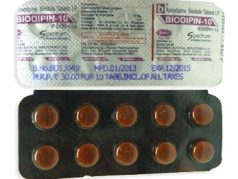
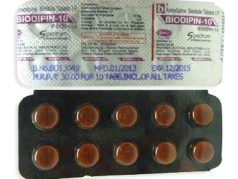
Amlodipine (Norvasc) is one of Australia's most prescribed calcium channel blockers for managing hypertension. This medication works by relaxing blood vessel walls, allowing blood to flow more easily and reducing pressure on the cardiovascular system. Amlodipine is particularly effective for patients with mild to moderate hypertension and is often prescribed as a first-line treatment due to its excellent tolerability profile.
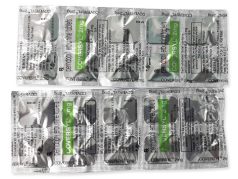
Perindopril (Coversyl) is a widely used ACE inhibitor that helps lower blood pressure by preventing the formation of angiotensin II, a hormone that narrows blood vessels. Irbesartan (Avapro) belongs to the ARB class and works similarly by blocking angiotensin II receptors, providing effective blood pressure control with fewer side effects than traditional ACE inhibitors.
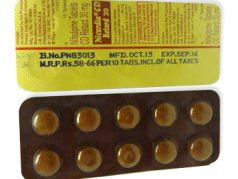
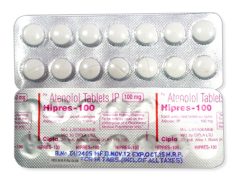
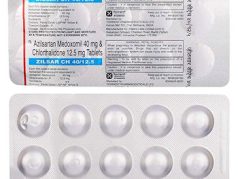
Hydrochlorothiazide combinations are extensively available across Australian pharmacies, often paired with ACE inhibitors or ARBs to enhance effectiveness. Metoprolol (Betaloc) serves as a reliable beta-blocker option, controlling both heart rate and blood pressure simultaneously.
Australian patients benefit from both generic and brand name options, with PBS coverage making essential hypertension medications more affordable. Dosage forms include standard tablets and extended-release formulations for improved convenience and compliance.
Taking blood pressure medications correctly is crucial for optimal results. Most hypertension medications should be taken at the same time daily, preferably in the morning unless otherwise directed by your healthcare provider. Consistency in timing helps maintain steady blood levels and maximises therapeutic benefits.
Medication compliance is essential for preventing cardiovascular complications. Missing doses can cause dangerous blood pressure spikes, whilst suddenly stopping medications may lead to rebound hypertension. Always consult your pharmacist or doctor before making any changes to your medication regimen.
Effective hypertension management extends beyond medication therapy. Key lifestyle changes that significantly impact blood pressure control include:
Weight management plays a particularly important role, as losing even 5-10 kilograms can result in meaningful blood pressure reductions. Regular physical activity strengthens the heart muscle, allowing it to pump blood more efficiently with less effort, thereby reducing pressure on arterial walls.
Understanding potential side effects of your blood pressure medication helps you recognise what's normal and when to seek advice. ACE inhibitors commonly cause a dry cough and may lead to elevated potassium levels. Angiotensin receptor blockers (ARBs) generally have fewer side effects but can cause dizziness and fatigue. Calcium channel blockers may cause ankle swelling, constipation, and gum problems. Diuretics can lead to frequent urination, dehydration, and electrolyte imbalances. Beta-blockers might cause fatigue, cold hands and feet, and can mask symptoms of low blood sugar in diabetics.
Seek immediate medical attention if you experience severe allergic reactions, difficulty breathing, or chest pain. Contact your healthcare provider promptly for persistent dizziness, fainting, irregular heartbeat, or swelling of face and throat. Reach out to your pharmacist for guidance on managing minor side effects like mild nausea, headaches, or changes in sleep patterns. Never stop taking your medication abruptly without professional advice, as this can cause dangerous blood pressure spikes.
Many prescription medications can interact with blood pressure treatments. NSAIDs like ibuprofen can reduce the effectiveness of ACE inhibitors and increase blood pressure. Certain antidepressants may interfere with beta-blockers. Diabetes medications combined with ACE inhibitors require careful blood sugar monitoring. Always inform all healthcare providers about your complete medication list, including any recent changes to prescriptions.
Several common OTC medications can impact blood pressure control:
Natural doesn't always mean safe when combined with blood pressure medications. St. John's Wort can reduce the effectiveness of calcium channel blockers. Ginseng may interfere with blood pressure control. Hawthorn, while traditionally used for heart conditions, can enhance the effects of blood pressure medications dangerously. Liquorice root can raise blood pressure and reduce the effectiveness of some medications. Always consult your pharmacist before starting any herbal supplements.
Certain foods and beverages can affect your medication's effectiveness. Grapefruit and grapefruit juice can significantly increase blood levels of some calcium channel blockers. High-potassium foods should be monitored when taking ACE inhibitors or potassium-sparing diuretics. Alcohol can enhance the blood pressure-lowering effects of medications, potentially causing dangerous drops. Excessive salt intake can counteract the benefits of most blood pressure medications.
The Therapeutic Goods Administration (TGA) monitors medication safety in Australia. You can report adverse reactions through the TGA website's adverse event reporting system, by calling 1800 809 361, or by asking your pharmacist to submit a report on your behalf. Include details about the medication, dosage, timing of the reaction, and severity of symptoms. Reporting helps improve medication safety for all Australians.
Accurate home monitoring requires a validated, properly sized blood pressure monitor. Choose devices with an arm cuff rather than wrist monitors for better accuracy. Ensure the cuff fits properly - it should cover 80% of your upper arm circumference. Your pharmacist can help you select an appropriate device and demonstrate proper technique. Look for monitors validated by the British Hypertension Society or European Society of Hypertension for reliability.
Check your blood pressure at the same time each day, preferably in the morning before taking medication and in the evening. Avoid checking immediately after exercise, caffeine consumption, or stressful situations. For newly diagnosed hypertension, daily monitoring may be recommended initially. Once stable, checking 2-3 times per week is often sufficient. Record your readings in a diary or smartphone app to share with your healthcare team during appointments.
Many Australian pharmacies offer professional blood pressure monitoring services using calibrated equipment. These checks can complement your home monitoring and provide verification of your readings. Pharmacists can assess your technique, discuss concerning patterns, and provide immediate advice about when to contact your doctor. Some pharmacies offer scheduled monitoring programs with regular follow-ups and progress tracking.
Regular medication reviews with your pharmacist help optimise your treatment. They can identify potential interactions, assess side effects, and recommend timing adjustments to improve effectiveness. Pharmacists work closely with your GP to suggest dosage modifications based on your blood pressure readings and response to treatment. Home Medicine Reviews (HMR) are available through some pharmacies and may be covered by Medicare for eligible patients.
Australian pharmacies offer various services to support medication adherence:
When travelling, carry extra medication in original packaging with your name and prescribing doctor's details. Bring a letter from your doctor explaining your condition and medications, especially for international travel. Consider time zone adjustments for medication timing and discuss with your pharmacist before departure. Ensure you have adequate supplies for your entire trip plus extra in case of delays.
Seek immediate emergency care for severe headache with confusion, chest pain, difficulty breathing, or sudden vision changes. Call 000 if you experience symptoms of stroke, heart attack, or extremely high blood pressure readings (above 180/120 mmHg) with symptoms. Don't wait to see if symptoms improve - hypertensive emergencies require immediate medical intervention to prevent organ damage.
Effective hypertension management requires collaboration between you, your pharmacist, and GP. Your pharmacist provides ongoing medication support, monitors your progress between doctor visits, and can communicate concerns to your GP. They offer convenient access for questions about side effects, medication timing, and lifestyle modifications. This team approach ensures continuous care and helps achieve better blood pressure control outcomes.
Routine monitoring includes kidney function tests, electrolyte levels, and cholesterol checks every 6-12 months. Your doctor may recommend ECGs to monitor heart health and eye examinations to check for hypertensive damage. Diabetes screening is important as the conditions often occur together. Your pharmacist can remind you about due tests and help coordinate care with other healthcare providers to ensure comprehensive monitoring of your cardiovascular health.