Motion sickness is a common condition that occurs when your brain receives conflicting signals from your inner ear, eyes, and sensory receptors. This sensory mismatch triggers an uncomfortable physiological response that can significantly impact your travel experience and daily activities.
Motion sickness manifests through various unpleasant symptoms that can range from mild discomfort to severe distress. The most frequently experienced symptoms include:
Certain individuals are more prone to experiencing motion sickness. Children aged 2-12 years are particularly vulnerable, as their balance systems are still developing. Women are generally more susceptible than men, especially during pregnancy or menstruation due to hormonal fluctuations. People with migraine histories, anxiety disorders, or inner ear problems also face increased risk. Additionally, those who rarely travel or have poor ventilation exposure during motion are more likely to develop symptoms during car, plane, boat, or train journeys throughout Australia.
Car sickness is the most common form of motion sickness experienced by Australians, particularly during long road trips across the country's vast distances. It typically occurs when passengers focus on stationary objects inside the vehicle while the body senses movement, creating sensory conflict.
Sea sickness affects travellers on boats, ferries, and cruise ships around Australia's extensive coastline. The constant rocking motion on water creates persistent sensory disturbance, often resulting in more severe and prolonged symptoms compared to other forms of motion sickness.
Air sickness occurs during flights, whether on domestic routes between Australian cities or international travel. Turbulence, altitude changes, and cabin pressure variations can trigger symptoms, particularly during takeoff and landing phases.
Train sickness can develop during railway journeys, including trips on Australia's scenic train routes. The swaying motion and frequent speed changes characteristic of rail travel may cause discomfort, especially when reading or using electronic devices.
Simulator sickness is an increasingly recognised condition affecting users of virtual reality systems, video games, and motion simulators. This modern form of motion sickness occurs when visual motion cues don't match physical sensations, creating similar symptoms to traditional motion sickness.
Australian pharmacies stock a comprehensive range of motion sickness medications to suit different travel needs and preferences. Over-the-counter antihistamines remain the most popular choice, with trusted brands including Dramamine, Kwells, and Travel Calm readily available without prescription. These medications work by blocking histamine receptors in the brain that trigger nausea and vomiting.
For severe motion sickness, prescription medications are available through Australian pharmacies with a doctor's consultation. Scopolamine patches, applied behind the ear, provide long-lasting relief and are particularly effective for extended travel periods. These patches can prevent symptoms for up to three days and are ideal for cruise passengers or long-distance travellers.
Many Australians prefer natural remedies, with ginger tablets being scientifically proven to reduce nausea. Acupressure wristbands offer drug-free relief by applying pressure to specific points on the wrist. These options are particularly suitable for pregnant women or those concerned about medication side effects.
Dosage recommendations vary significantly by age group, with children's formulations available for those over two years. Adults typically require medication 30-60 minutes before travel for optimal effectiveness. When choosing medication, consider journey duration, age, existing health conditions, and potential drowsiness. Always consult your pharmacist about contraindications, especially if taking other medications or managing chronic health conditions.
Effective motion sickness prevention begins well before your journey starts. Proper preparation and strategic planning can significantly reduce your likelihood of experiencing symptoms during travel across Australia or internationally.
Begin preparation 24 hours before travelling by ensuring adequate rest and hydration. Avoid heavy, greasy, or spicy meals before departure, instead opting for light, bland foods like crackers or toast. Consider taking preventive medication according to package directions, typically 30-60 minutes before travel begins.
Your seating choice dramatically impacts motion sickness severity. Choose seats with minimal movement - middle sections of aircraft, lower decks on ships, or front seats in cars. Ensure adequate ventilation and avoid reading or using electronic devices. Instead, focus on the horizon or distant stationary objects to help your brain process movement signals correctly.
Several practical strategies can provide immediate relief:
These techniques work best when combined with appropriate medication timing and environmental awareness throughout your journey.
Motion sickness is a common condition that affects many Australians when travelling by car, boat, plane, or train. It occurs when your brain receives conflicting signals from your inner ear, eyes, and other sensory receptors about movement and balance. This sensory mismatch can lead to uncomfortable symptoms that can significantly impact your travel experience.
Motion sickness develops when there's a disconnect between what your eyes see and what your inner ear senses. Your inner ear contains fluid-filled canals that detect movement, whilst your eyes provide visual cues about your surroundings. When these signals don't match—such as when you're reading in a moving car or sitting below deck on a boat—your brain becomes confused, triggering the symptoms of motion sickness.
Motion sickness can manifest through various uncomfortable symptoms that typically develop gradually during travel. Recognising these early signs can help you take prompt action to manage the condition effectively.
Taking preventive measures before and during travel can significantly reduce your risk of experiencing motion sickness. These strategies focus on minimising the sensory conflicts that trigger symptoms.
Before embarking on your journey, ensure you're well-rested and avoid consuming large meals, alcohol, or excessive amounts of fluids. Choose your seating position wisely—opt for the front seat in cars, seats over the wing in aeroplanes, or midship cabins on boats where movement is less pronounced.
Focus your gaze on the horizon or a fixed point in the distance rather than looking at books, phones, or other close objects. Keep your head still and well-supported, and ensure adequate ventilation around your seating area. If possible, try to align yourself with the direction of travel to reduce conflicting sensory signals.
Australian pharmacies offer various effective treatments for motion sickness, ranging from over-the-counter medications to natural remedies. These options can help manage symptoms and prevent motion sickness from occurring.
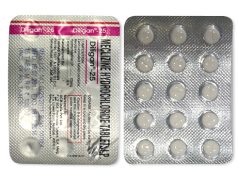
Antihistamines such as dimenhydrinate and meclizine are commonly available at Australian pharmacies and can be highly effective when taken before travel begins. Hyoscine patches, applied behind the ear, provide longer-lasting protection and are particularly useful for extended journeys. These medications work by blocking the signals in your brain that trigger motion sickness symptoms.
Ginger supplements and ginger-based products have shown effectiveness in reducing nausea associated with motion sickness. Acupressure wristbands, which apply pressure to specific points on your wrists, offer a drug-free alternative that many travellers find helpful. These natural options are particularly appealing for those who prefer to avoid medications or experience side effects from traditional treatments.