Muscle relaxants are a class of prescription medications specifically designed to alleviate muscle tension, spasms, and associated pain. These therapeutic agents serve as an essential treatment option for Australians experiencing various musculoskeletal conditions, providing relief when muscles become tight, painful, or difficult to control. The primary purpose of muscle relaxants is to reduce involuntary muscle contractions and improve mobility whilst managing discomfort.
The mechanism of action for muscle relaxants primarily occurs within the central nervous system, where these medications work to modify nerve signal transmission. Most muscle relaxants function by depressing the central nervous system, effectively reducing the excitability of motor neurons and interrupting the pain-spasm cycle that often perpetuates muscle dysfunction.
There are two main categories of muscle relaxants available in Australia:
By interrupting pain signals travelling between the affected muscles and the brain, muscle relaxants help break the cycle of pain and tension. This therapeutic action enables the muscles to relax, reducing inflammation and allowing natural healing processes to occur. These medications play a crucial role in treating both acute muscle injuries and chronic conditions, often used alongside physiotherapy and other conservative treatments to optimise patient outcomes.
Muscle relaxants are prescribed across Australia to treat a diverse range of musculoskeletal conditions affecting people of all ages. These medications provide targeted relief for various acute and chronic conditions that cause muscle tension, spasms, and associated pain.
Acute muscle strains and sprains are among the most common reasons for prescribing muscle relaxants. These injuries often occur during physical activity, workplace incidents, or everyday movements, causing sudden onset of pain and muscle spasm. Post-surgical muscle tension is another indication, as patients frequently experience muscle tightness following surgical procedures, particularly orthopaedic operations.
Chronic back pain and neck pain represent significant treatment challenges where muscle relaxants prove beneficial. These conditions often involve persistent muscle tension that contributes to ongoing discomfort and reduced quality of life. Sports-related muscle injuries, common among Australia's active population, also respond well to muscle relaxant therapy when combined with appropriate rehabilitation.
Several complex medical conditions benefit from muscle relaxant treatment:
These medications help manage symptoms, improve mobility, and enhance overall patient comfort when used as part of comprehensive treatment plans developed by healthcare professionals.
Australian pharmacies stock a range of muscle relaxants, each with distinct mechanisms of action and therapeutic applications. These medications are carefully regulated under the Therapeutic Goods Administration (TGA) to ensure safe and effective treatment of muscle spasticity and related conditions.
Baclofen, available as Lioresal and Clofen, is a GABA-B receptor agonist primarily used for treating spasticity associated with multiple sclerosis and spinal cord injuries. It's available in tablet form (10mg and 25mg) and as an oral suspension, with dosing typically starting at 5mg three times daily.
Diazepam (Valium, Ducene) offers dual therapeutic benefits as both a muscle relaxant and anxiolytic. This benzodiazepine works by enhancing GABA activity in the central nervous system, making it particularly useful for acute muscle spasm accompanied by anxiety. It's available in tablets, oral solution, and injection forms.
Orphenadrine (Norflex) functions as an anticholinergic muscle relaxant with additional antihistamine properties. This medication is effective for treating painful muscle spasms and is available in both tablet and injectable formulations.
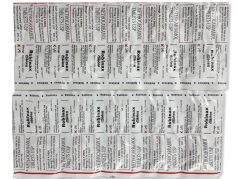
Methocarbamol (Robaxin) acts centrally to depress the central nervous system, providing relief from acute musculoskeletal conditions. It's particularly valued for its relatively mild side effect profile compared to other muscle relaxants.
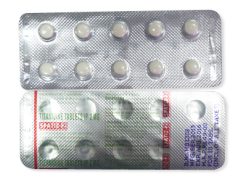
Tizanidine (Sirdalud) works as an alpha-2 adrenergic agonist, offering effective spasticity management with less muscle weakness than traditional options. It's especially beneficial for patients with multiple sclerosis or spinal cord injuries.
Most muscle relaxants in Australia are Schedule 4 prescription medicines, requiring a valid prescription from a registered medical practitioner. Key considerations include:
Over-the-counter topical preparations containing ingredients like menthol or capsaicin provide limited muscle relief but cannot replace prescription treatments for serious spasticity or muscle disorders.
Muscle relaxants require careful adherence to prescribed dosing schedules to ensure optimal effectiveness whilst minimising potential risks. Most muscle relaxants are taken 2-3 times daily, with treatment duration typically ranging from a few days to several weeks, depending on your condition's severity and response to treatment.
It's crucial to follow your healthcare provider's prescribed dosage exactly as directed. Never increase, decrease, or stop taking your medication without professional guidance. Most muscle relaxants can be taken with or without food, though taking them with food may help reduce stomach upset in sensitive individuals.
Avoid alcohol and other central nervous system depressants whilst taking muscle relaxants, as this combination can dangerously intensify sedative effects and impair coordination. If you've been taking muscle relaxants for an extended period, gradual discontinuation under medical supervision is essential to prevent potential withdrawal symptoms.
Contact your healthcare provider immediately if you experience severe side effects, worsening symptoms, or if your condition doesn't improve within the expected timeframe. Regular monitoring ensures your treatment remains safe and effective throughout your recovery period.
Common side effects of muscle relaxants include drowsiness, dizziness, and dry mouth. These effects typically diminish as your body adjusts to the medication. However, they can impair your ability to drive or operate machinery safely.
Seek immediate medical attention if you experience difficulty breathing, severe allergic reactions, chest pain, or signs of liver problems such as yellowing of skin or eyes.
Always inform your healthcare provider about all medications, supplements, and medical conditions before starting muscle relaxants. Special monitoring may be required for patients with kidney or liver impairment, respiratory conditions, or history of substance abuse.
Selecting the appropriate muscle relaxant requires professional assessment of your specific condition, medical history, and individual circumstances. Australian pharmacists and healthcare providers can guide you through available options, ensuring the chosen medication aligns with your treatment goals and minimises potential risks.
Medication selection depends on factors including the underlying cause of muscle spasms, severity of symptoms, other health conditions, and concurrent medications. Complete disclosure of your medical history, including allergies and previous adverse reactions, is essential for safe prescribing.
Consider discussing complementary therapies such as physiotherapy, heat therapy, or gentle exercise as part of your comprehensive treatment plan. Seek emergency medical care if you experience severe muscle weakness, difficulty breathing, or signs of serious allergic reactions. Regular follow-up appointments allow for treatment monitoring and adjustments as needed for optimal recovery outcomes.