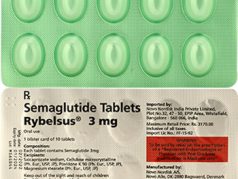
Obesity is a complex medical condition characterised by excessive accumulation of body fat that presents a risk to health. In Australia, obesity is classified using Body Mass Index (BMI) measurements, where a BMI of 30 or above indicates obesity, whilst 25-29.9 is considered overweight. Current statistics reveal that approximately 67% of Australian adults are overweight or obese, making it one of the most pressing health challenges facing our nation.
Multiple factors contribute to obesity development, including genetic predisposition, lifestyle choices, environmental influences, and underlying medical conditions. Poor dietary habits, sedentary behaviour, psychological factors, certain medications, and hormonal imbalances can all play significant roles in weight gain.
Obesity significantly increases the risk of developing serious health complications that can substantially impact quality of life and longevity. The excess weight places tremendous strain on various body systems, leading to:
It's essential to consult healthcare professionals when experiencing persistent weight gain, difficulty losing weight despite lifestyle changes, or symptoms related to obesity complications. Medical assessment ensures proper diagnosis, identification of underlying causes, and development of appropriate treatment strategies tailored to individual needs.
Orlistat is a prescription weight loss medication available in Australia that works as a lipase inhibitor, preventing approximately 30% of dietary fat absorption in the intestines. This mechanism helps reduce caloric intake whilst allowing patients to maintain relatively normal eating patterns. The standard dosage is 120mg taken three times daily with meals containing fat.
Clinical studies demonstrate that orlistat, combined with lifestyle modifications, can result in 5-10% weight loss over 12 months. The medication is most effective when used alongside a reduced-calorie diet and regular exercise programme, making it an important tool in comprehensive weight management strategies.
Phentermine is an appetite suppressant that affects neurotransmitters in the brain to reduce hunger and cravings. Available only by prescription in Australia, it's typically prescribed for short-term use (usually 3 months) as part of a comprehensive weight loss programme that includes dietary changes and increased physical activity.
Due to its stimulant properties, phentermine requires careful monitoring by healthcare professionals. Regular check-ups assess blood pressure, heart rate, and overall health status. The medication is contraindicated in certain conditions, including heart disease, uncontrolled hypertension, and during pregnancy or breastfeeding.
Liraglutide operates as a GLP-1 receptor agonist, mimicking the action of naturally occurring incretin hormones in your body. This mechanism helps regulate blood sugar levels whilst significantly reducing appetite by slowing gastric emptying and promoting feelings of satiety. The medication works directly on the brain's appetite control centres, making it easier to maintain reduced calorie intake throughout your weight management journey.
Saxenda is administered via a once-daily subcutaneous injection using a pre-filled pen device. The injection is typically given in the abdomen, thigh, or upper arm, with injection sites rotated to prevent skin irritation. Your healthcare provider will guide you through proper injection technique and dosage escalation, starting with a lower dose that gradually increases over several weeks to minimise potential side effects.
Saxenda is prescribed for adults with a BMI of 30 kg/m² or greater, or 27 kg/m² with weight-related health conditions such as type 2 diabetes or hypertension. Important contraindications include:
Combination therapy featuring naltrexone and bupropion offers a dual-action approach to weight management. Bupropion, originally developed as an antidepressant, helps suppress appetite through its action on dopamine and noradrenaline pathways. Naltrexone, traditionally used for addiction treatment, blocks opioid receptors that influence food reward pathways. Together, these medications target both the psychological and physiological aspects of overeating, making it easier to maintain dietary changes.
These combination therapies require careful titration and monitoring protocols established by your healthcare provider. Treatment typically begins with reduced doses that gradually increase over 3-4 weeks to full therapeutic levels. Regular follow-up appointments are essential to assess treatment response, monitor for side effects, and adjust dosages as needed. Your pharmacy team works closely with prescribers to ensure proper dispensing and patient education regarding timing and administration.
Combination weight management therapies necessitate ongoing medical supervision due to their complex mechanisms and potential interactions. Your doctor will conduct regular assessments of cardiovascular health, blood pressure monitoring, and evaluation of any mood changes. Pharmacists play a crucial role in medication reconciliation, ensuring no contraindicated drug interactions occur with your existing medications or health conditions.
Australian pharmacies stock a comprehensive range of meal replacement shakes, bars, and soups designed to support structured weight loss programmes. These products typically provide balanced nutrition with controlled calorie content, usually ranging from 150-250 calories per serving whilst delivering essential vitamins, minerals, and adequate protein to help maintain muscle mass during weight loss.
Popular meal replacement options include protein-rich shakes in various flavours, convenient nutrition bars, and portion-controlled soup sachets. Many products are fortified with additional fibre to promote satiety and support digestive health. These replacements can substitute one or two daily meals as part of a structured eating plan, providing convenience for busy lifestyles whilst maintaining nutritional adequacy.
Evidence-based dietary supplements available include chromium picolinate for blood sugar regulation, green tea extract containing EGCG for metabolism support, and glucomannan fibre for appetite control. Your pharmacist can provide guidance on selecting supplements that complement your individual weight management goals whilst ensuring compatibility with any existing medications or health conditions you may have.
Creating a sustainable calorie deficit forms the foundation of effective weight management. Understanding portion control strategies helps establish realistic eating patterns that support long-term success. Your local pharmacist can provide guidance on reading nutrition labels and identifying appropriate serving sizes for different food groups.
Healthy food substitutions make dietary changes more manageable without completely eliminating favourite foods. Simple swaps like choosing wholegrain options, lean proteins, and incorporating more vegetables can significantly impact overall caloric intake whilst maintaining nutritional balance.
Starting an exercise routine safely is crucial, particularly for individuals with existing health conditions. Low-impact activities such as walking, swimming, or cycling provide excellent starting points for building cardiovascular fitness without placing excessive stress on joints.
Building sustainable exercise routines involves:
Effective goal setting involves creating specific, measurable, and achievable targets. Tracking progress through food diaries or mobile applications helps identify patterns and triggers. Managing emotional eating requires developing alternative coping strategies and recognising the difference between physical hunger and emotional triggers.
Setting realistic expectations prevents discouragement and supports long-term adherence to weight management plans. Healthy weight loss typically ranges from 0.5-1 kilogram per week, depending on individual circumstances and starting weight.
Measurement techniques extend beyond traditional weighing scales to provide a comprehensive view of progress. Body measurements, clothing fit, energy levels, and improvements in health markers such as blood pressure offer valuable indicators of success.
Gastrointestinal symptoms commonly occur with obesity medications and dietary changes. These may include nausea, constipation, or digestive discomfort. Gradual dietary modifications and adequate hydration often help minimise these effects.
Appetite changes and energy level fluctuations are normal during weight management. Your pharmacist can advise on timing medications appropriately and suggest strategies to maintain stable energy throughout the day.
Regular consultation ensures safe and effective treatment progression. Contact your pharmacist regarding potential medication interactions, particularly if starting new prescriptions or supplements. Any concerning side effects or unexpected symptoms warrant professional evaluation and possible dosage adjustments.
Successful weight maintenance requires transitioning from active weight loss to sustainable lifestyle practices. This maintenance phase involves adjusting caloric intake to match energy expenditure whilst continuing healthy eating patterns and regular physical activity.
Lifestyle habit reinforcement through consistent routines and ongoing self-monitoring helps prevent gradual weight regain. Regular weigh-ins and continued tracking support early identification of potential issues.
Australia offers numerous obesity support resources including:
Coordinating care between pharmacists, GPs, dietitians, and exercise physiologists ensures comprehensive support throughout the weight management journey.
Emerging obesity therapies continue to evolve, offering new options for individuals who haven't achieved success with current treatments. Your healthcare team can discuss potential surgical interventions when appropriate and evaluate personalised medicine approaches based on individual genetic and metabolic factors.