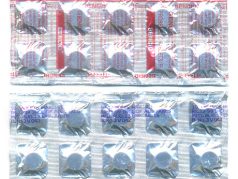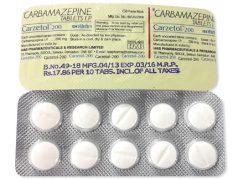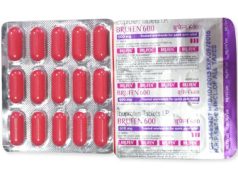
Over-the-counter (OTC) pain medications are readily available medicines that can effectively manage mild to moderate pain without requiring a prescription. These medications work through different mechanisms - some reduce inflammation, whilst others block pain signals to the brain or lower fever. OTC options are typically the first line of treatment for common aches and pains, headaches, and minor injuries.
Choosing between OTC and prescription medicines depends on the severity and nature of your pain. Over-the-counter medications are suitable for temporary relief of everyday discomfort, whilst persistent or severe pain may require consultation with a healthcare professional. Always follow dosage instructions carefully, as exceeding recommended amounts can lead to serious side effects including liver damage or stomach ulcers.
Australian pharmacies stock a comprehensive range of trusted pain relief brands. Paracetamol products such as Panadol, Panamax, and Herron Paracetamol are excellent for general pain and fever reduction. For inflammatory conditions, ibuprofen-based medicines like Nurofen, Advil, and Brufen provide effective anti-inflammatory action alongside pain relief.
Aspirin products including Aspro, Cartia, and Solprin offer pain relief with additional cardiovascular benefits for some patients. Combination medications such as Panadeine and Nurofen Plus combine active ingredients for enhanced effectiveness in managing moderate pain conditions.
Selecting appropriate pain relief requires understanding your specific condition. Consider these factors when choosing:
Topical pain relief products offer targeted treatment by delivering active ingredients directly through the skin to affected areas. This localised approach provides several advantages including reduced systemic side effects, targeted action at the site of pain, and convenience of application. The active ingredients penetrate the skin layers to reach underlying tissues, muscles, and joints where they can reduce inflammation and interrupt pain signals.
Topical treatments are particularly effective for musculoskeletal conditions, sports injuries, arthritis, and localised pain where you can pinpoint the exact area of discomfort. They're ideal for people who prefer to avoid oral medications or those who experience stomach sensitivity with traditional pain relievers.
Australian pharmacies offer diverse topical pain relief options to suit different needs and preferences. Anti-inflammatory gels and creams such as Voltaren and Nurofen Gel contain diclofenac or ibuprofen for effective inflammation reduction. These products are particularly beneficial for joint pain and muscle strains.
Temperature-based treatments provide alternative relief mechanisms:
Many Australians also choose natural topical alternatives featuring ingredients like eucalyptus, tea tree oil, and other native botanical extracts for gentle yet effective pain management.
Australia's diverse natural landscape has long provided traditional remedies for pain management, and modern research continues to validate many plant-based solutions. Turmeric and curcumin supplements have gained significant attention for their anti-inflammatory properties, with studies showing effectiveness in managing joint pain and chronic inflammation. These golden-coloured compounds work by inhibiting inflammatory pathways in the body, offering a gentler alternative to conventional pain medications.
Willow bark, containing natural salicylates similar to aspirin, has been used for centuries to alleviate pain and fever. Essential oils such as eucalyptus, tea tree, and peppermint provide topical relief through their anti-inflammatory and cooling properties. Traditional herbal teas including chamomile, ginger, and green tea offer mild analgesic effects while supporting overall wellbeing.
Non-pharmaceutical approaches can significantly enhance pain relief when used alongside or instead of medications. Heat and cold therapy products provide immediate relief for various conditions, with heat relaxing muscles and improving circulation, while cold therapy reduces inflammation and numbs acute pain. Compression garments and support items help stabilise joints and reduce strain on affected areas.
Magnetic therapy and aromatherapy products offer additional complementary options, with some users reporting reduced pain levels and improved sleep quality.
The Therapeutic Goods Administration (TGA) regulates natural health products in Australia, ensuring quality standards and safety. While many natural remedies show promise, it's essential to choose evidence-based treatments and consult healthcare professionals, especially when combining natural products with conventional medicines to avoid potential interactions.
Headache management requires understanding the different types and triggers involved. Tension headaches often respond well to combination products containing paracetamol, aspirin, and caffeine, which work synergistically to provide comprehensive relief. For migraine sufferers, fast-acting formulations such as soluble tablets or liquid preparations can be crucial during acute episodes when nausea may prevent effective absorption of standard tablets.
Prevention strategies differ significantly from acute treatment approaches. Regular use of magnesium supplements, feverfew, or specific migraine-preventive medications may reduce frequency and severity. Consider these treatment approaches:
Women's pain management requirements often involve unique physiological considerations. Menstrual pain affects millions of Australian women monthly, with anti-inflammatory medications like ibuprofen proving particularly effective due to their action on prostaglandins involved in menstrual cramping. Heat therapy patches and magnesium supplements also provide natural relief options.
During pregnancy, pain relief choices become limited, with paracetamol generally considered the safest option under medical guidance. Hormonal fluctuations throughout a woman's life can influence pain perception and medication effectiveness, making personalised approaches essential for optimal pain management outcomes.
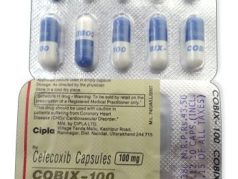
Managing arthritis pain requires targeted solutions that address inflammation and joint stiffness. Our range includes topical anti-inflammatory gels and creams containing diclofenac or ibuprofen, which provide localised relief directly to affected joints. Oral NSAIDs such as celecoxib and naproxen offer systemic anti-inflammatory benefits for widespread joint involvement. For those seeking natural alternatives, glucosamine and chondroitin supplements may help support joint health and mobility over time.
Active Australians need effective solutions for sports-related injuries and muscle strains. Immediate relief options include cooling sprays and anti-inflammatory patches that can be applied directly to the injury site. Heat patches and muscle relaxants help ease tension and promote healing in strained muscles. Combination products containing menthol and capsaicin provide dual-action relief through cooling and warming sensations that interrupt pain signals.
As we age, joint pain becomes increasingly common due to wear and natural degenerative processes. Long-acting pain relief options help maintain daily activities and quality of life. Sustained-release formulations provide extended relief with fewer doses throughout the day. Complementary therapies such as magnesium supplements and turmeric-based products offer additional support for joint comfort and mobility.
Children's pain relief requires specially formulated products designed for developing bodies. For infants aged 0-12 months, paracetamol is typically the first-line treatment, available in liquid form with precise measuring devices. Toddlers and children aged 1-12 years can use both paracetamol and ibuprofen, with options including:
Proper dosing for children is crucial and must be based on weight and age guidelines. Always use the measuring device provided with liquid medications, as household spoons can lead to inaccurate dosing. Flavoured options such as strawberry, orange, and grape help ensure children willingly take their medication. Common childhood conditions requiring pain relief include teething, ear infections, growing pains, and minor injuries from play activities.
Chronic pain lasting more than a few days requires professional evaluation to identify underlying causes and appropriate treatment strategies. Certain medications can interact with existing prescriptions or health conditions, making pharmacist consultation essential. Individuals with liver disease, kidney problems, heart conditions, or stomach ulcers need specialised advice before selecting pain relief options.
Always read product labels carefully and follow dosing instructions precisely. Most pain relief medications should be stored in cool, dry places away from direct sunlight and out of children's reach. Check expiry dates regularly and dispose of expired medications through pharmacy return programs available throughout Australia.
Our qualified pharmacists provide personalised pain relief recommendations based on your specific needs, medical history, and current medications. We offer comprehensive medication reviews to ensure optimal pain management while minimising risks. Follow-up consultations help monitor treatment effectiveness and adjust approaches as needed for ongoing pain management success.