Sleep disorders affect millions of Australians, with insomnia being the most prevalent condition impacting quality of life. Common sleep disorders include sleep apnoea, restless leg syndrome, circadian rhythm disorders, and various forms of insomnia. These conditions can significantly disrupt your ability to fall asleep, stay asleep, or achieve restorative sleep.
You might benefit from sleeping aids if you experience difficulty falling asleep within 30 minutes, frequent night-time awakenings, early morning wake-ups, or feeling unrefreshed despite adequate sleep time. It's crucial to distinguish between occasional sleeplessness—often caused by stress, travel, or lifestyle changes—and chronic insomnia, which persists for three or more nights weekly over several months.
Consider consulting a healthcare professional if sleep problems persist beyond two weeks, interfere with daily activities, or occur alongside other health symptoms. Poor sleep quality can lead to decreased concentration, weakened immune function, increased accident risk, mood disorders, and long-term health complications including cardiovascular disease and diabetes. Early intervention with appropriate sleeping aids, combined with good sleep hygiene practices, can prevent these issues from escalating and restore healthy sleep patterns essential for optimal wellbeing.
Australian pharmacies stock various over-the-counter sleep medications to address different sleep concerns. Antihistamine-based sleep aids are widely available and include popular brands such as Restavit (doxylamine), Dozile, and Unisom. These medications work by blocking histamine receptors in the brain, promoting drowsiness and helping initiate sleep.
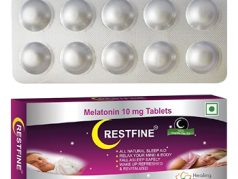
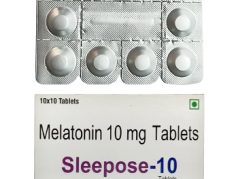
Melatonin supplements have gained popularity for their natural approach to sleep regulation. These products help reset your circadian rhythm and are particularly effective for shift workers or those experiencing jet lag. Herbal sleep remedies offer gentler alternatives, with valerian root, passionflower, and chamomile being commonly used ingredients known for their calming properties.
Many Australian pharmacies also stock combination products that blend multiple active ingredients for enhanced effectiveness. The recommended timing and dosages vary by product type:
Safety considerations are essential, particularly for elderly users who may experience increased drowsiness or confusion. Always consult your pharmacist about potential drug interactions and appropriate dosages for your specific circumstances.
In Australia, healthcare professionals may prescribe stronger sleep medications when over-the-counter options prove insufficient. Common prescription sleep aids include benzodiazepines like temazepam, non-benzodiazepine medications such as zolpidem, and melatonin receptor agonists. These medications are typically prescribed when chronic insomnia significantly impacts daily functioning or quality of life.
Doctors generally favour short-term treatment approaches, usually prescribing these medications for 2-4 weeks to avoid dependency. Long-term treatment requires careful monitoring and may involve gradual dose adjustments or medication cycling. Medical supervision is crucial as prescription sleep aids can interact with other medications, including antidepressants, blood pressure medications, and pain relievers.
Elderly patients require special consideration due to increased sensitivity to sleep medications and higher risk of falls, confusion, and next-day drowsiness. Healthcare providers often start with lower doses and monitor closely for adverse effects. Always consult your GP or pharmacist before combining prescription sleep aids with other medications or supplements.
Creating an optimal sleep environment is fundamental to quality rest. Keep your bedroom cool (16-19°C), dark, and quiet. Invest in comfortable bedding and consider blackout curtains or eye masks to block external light. Remove electronic devices or use blue light filters at least an hour before bedtime.
Natural sleep solutions can be highly effective for many Australians experiencing sleep difficulties. Deep breathing exercises, progressive muscle relaxation, and meditation can help calm the mind and prepare the body for sleep. Essential oils like lavender, chamomile, and bergamot used in diffusers or pillow sprays may promote relaxation through aromatherapy.
Dietary supplements such as magnesium, valerian root, and passionflower support natural sleep cycles. However, consult your pharmacist about appropriate dosages and potential interactions.
Effective lifestyle changes include:
Understanding the safety profile of sleep aids is crucial for their effective and responsible use. Different types of sleep aids can produce varying side effects that users should be aware of before beginning treatment.
Natural sleep aids may cause mild drowsiness, headaches, or digestive upset, whilst pharmaceutical options can lead to more pronounced effects including dizziness, confusion, and memory problems. Antihistamine-based products often result in dry mouth and blurred vision.
Next-day drowsiness is a significant concern, particularly with longer-acting medications. This can impair driving ability and workplace performance. Regular use of certain sleep aids may lead to tolerance, requiring higher doses for effectiveness, and potential dependency issues.
Pregnant women, elderly individuals, and those with respiratory conditions should exercise particular caution. If sleep aids become ineffective after regular use, consult a healthcare professional rather than increasing the dose independently.
Selecting an appropriate sleep aid requires careful consideration of your specific sleep challenges, health status, and lifestyle factors. Understanding your sleep patterns and the root causes of sleep disturbances will guide you towards the most suitable option.
Difficulty falling asleep may benefit from fast-acting options like melatonin or valerian, whilst frequent night waking might require longer-acting solutions. Those experiencing stress-related insomnia often respond well to herbal combinations containing passionflower or chamomile.
Budget constraints can influence choice, with many effective natural options available at reasonable prices. Some prescription sleep aids are listed on the Pharmaceutical Benefits Scheme (PBS), making them more affordable for eligible patients. Always read product labels carefully to understand active ingredients and potential interactions.
If initial choices prove ineffective after 2-3 weeks of consistent use, consider consulting a pharmacist or GP for alternative recommendations or underlying sleep disorder assessment.