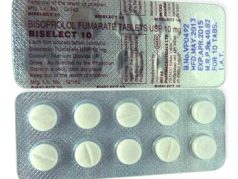
Bisacodyl

Bisacodyl
- In pharmacies across Australia, you can purchase bisacodyl without a prescription, typically available for over-the-counter sale.
- Bisacodyl is used for the treatment of constipation and works as a contact laxative by stimulating the intestinal mucosa and increasing peristalsis.
- The usual dose of bisacodyl for adults is 5–10 mg at bedtime, while pediatric doses are typically 5 mg for children aged 6 years and above.
- The form of administration includes film-coated tablets and suppositories.
- The effect of bisacodyl generally begins within 6 to 12 hours when taken orally and within 15 to 60 minutes when administered rectally.
- The duration of action is approximately 24 hours.
- It is advised to avoid alcohol while using bisacodyl.
- The most common side effects include abdominal cramps, diarrhea, and nausea.
- Would you like to try bisacodyl without a prescription?





Basic Bisacodyl Information
- INN (International Nonproprietary Name): Bisacodyl
- Brand names available in Australia: Dulcolax, Bisalax
- ATC Code: A06AB02
- Forms & dosages: 5 mg tablets, 10 mg suppositories
- Manufacturers in Australia: Sanofi, Bayer
- Registration status in Australia: TGA approved
- OTC / Rx classification: S2 Pharmacy medicine
Critical Warnings & Restrictions
It’s essential to be aware of critical warnings and restrictions associated with bisacodyl to ensure safe usage and to mitigate potential adverse effects.
High-Risk Groups (Elderly, Pregnancy, Chronic Illness)
Elderly patients, pregnant individuals, and those with chronic illnesses may experience heightened sensitivity to bisacodyl. Consulting with a healthcare professional before use is crucial. These groups are at increased risk of side effects, particularly dehydration and electrolyte imbalances. Some specific considerations include:
- Monitor hydration levels, especially in seniors and individuals with chronic health conditions.
- Pregnant individuals should discuss potential risks and benefits with their doctor.
Interaction With Activities (Driving, Workplace Safety Under Australian Law)
Bisacodyl can lead to dizziness or cramping, which may impact your ability to perform tasks that require full concentration. Hence, it's advisable to refrain from driving or operating heavy machinery until you're familiar with how this medication affects you. Under Australian law, workers are required to ensure they are fit for duties. Any impairment can pose significant risks during work hours. Consider these points:
- Wait to assess how bisacodyl influences your alertness.
- Ensure that your work environment allows you to take breaks if needed.
Q&A — “Can I Drive After Taking It In Australia?”
Q: Can I drive after taking bisacodyl in Australia?
A: It's advisable to wait until you're sure how the medication affects you, as it can cause dizziness. Consult your doctor for personal advice.
User Reports & Trends
User feedback on bisacodyl, drawn from various platforms such as ProductReview and health forums, shows a generally positive outlook among Australian patients. Many users have noted its efficacy in providing swift relief from constipation, with reports highlighting rapid outcomes after usage. This immediate effect has made bisacodyl a go-to choice for those seeking quick results.
However, it's important to acknowledge that experiences can vary. Some users report discomfort, including cramping and diarrhoea, after taking bisacodyl. This variability indicates that while the laxative works well for many, it might not suit everyone. Understanding these differing responses can help patients make informed choices about their treatment options.
Access & Purchase Options
National chains (Chemist Warehouse, Priceline, TerryWhite)
Obtaining bisacodyl in Australia is straightforward, especially at major pharmacy chains such as Chemist Warehouse, Priceline, and TerryWhite Chemmart. These pharmacies typically stock various bisacodyl formulations, accommodating both standard and pediatric doses. The convenient access allows patients to easily find the product they need without hassle.
Online pharmacies and telehealth e-prescriptions
In today's digital age, bisacodyl can also be purchased through online pharmacies and telehealth services, making it even more accessible. This approach aligns with the growing trend towards telemedicine, especially advantageous for those in remote areas. Patients can obtain electronic prescriptions, streamlining the process and allowing for hassle-free access to bisacodyl from the comfort of their homes.
Mechanism & Pharmacology
Simplified explanation
Bisacodyl functions as a stimulant laxative, promoting bowel movements effectively. It works by enhancing peristalsis through direct action on the intestinal mucosa. This leads to increased fluid accumulation in the bowel, facilitating the passage of stool and providing relief from constipation.
Clinical terms
In pharmacological classifications, bisacodyl is identified as a contact laxative within the A06A category, specifically A06AB02. The engaging of nerve plexuses further aids its mechanism, making it an effective choice for addressing acute constipation and preparing the bowel for various medical procedures.
Indications & Off-Label Uses
Approved indications by TGA
In Australia, bisacodyl is primarily indicated for the treatment of occasional constipation and for bowel evacuation prior to diagnostic procedures, as recognised by the Therapeutic Goods Administration (TGA). Its approval ensures both safety and efficacy within these recommended uses.
Off-label uses in Australian clinical practice
Some healthcare professionals may recommend bisacodyl off-label for bowel preparation in various surgical contexts or for chronic constipation treatment. It's essential that such uses are guided by clinical judgement and tailored to the individual's needs, ensuring optimal patient care and outcomes.
Key Clinical Findings
Recent studies conducted between 2022 and 2025 have shed light on bisacodyl's effectiveness and user satisfaction rates. Findings indicate that while it excels in acute situations, there is also a notable reliance on bisacodyl for chronic management. Many patients report experiencing minimal side effects, further reinforcing its status as a preferred laxative option in the healthcare landscape.
Alternatives Matrix
PBS-listed alternatives comparison table
| Alternative | Active Ingredient | Form | Common Doses |
|---|---|---|---|
| Senna | Sennosides | Tablets | 8.6 mg - 17 mg |
| Sodium Picosulfate | Sodium Picosulfate | Oral Solution | 5-10 mg |
| Lactulose | Lactulose | Oral Solution | 15-30 ml |
Pros and cons checklist
When considering alternatives to bisacodyl, it's worth weighing their pros and cons:
- Pros: Effective formulation, readily available across pharmacies, and variety of forms to choose from.
- Cons: Some users report experiencing more cramps, and prolonged use of alternatives can lead to dependence.
Common Questions
Consultations at Australian pharmacies often lead to some common queries regarding bisacodyl.
- Is bisacodyl safe during pregnancy? Many expectant mothers wonder about the implications of using bisacodyl for constipation. While generally regarded as safe for occasional use, it’s recommended to consult a healthcare professional before starting any medication during pregnancy.
- Can children use bisacodyl? Concerns arise over dosing in children, especially regarding age-appropriate forms. Very young children under six should avoid it unless specifically directed by a doctor.
- What interactions should I be aware of? Interactions with other medications can occur, making it essential to inform the pharmacist about all current medications.
Pharmacists often suggest discussing plans for extended use with a doctor to avoid potential complications.
Suggested Visual Content
Visual aids can make understanding bisacodyl more straightforward.
- Infographics: A visual overview of pricing under the Pharmaceutical Benefits Scheme (PBS) can provide insight into costs associated with bisacodyl, making it easier for patients to budget.
- Pharmacy Network Map: A map showcasing the extensive network of pharmacies across Australia can demonstrate accessibility for patients seeking bisacodyl.
Registration & Regulation
TGA approval
The Pharmaceutical Goods Administration (TGA) has officially approved bisacodyl, classifying it under S2 medications. This ensures that pharmacists provide appropriate counselling and adherence to use guidelines in Australia.
PBS subsidy details
With its inclusion in the Pharmaceutical Benefits Scheme, bisacodyl becomes an affordable option for eligible Australians. This subsidy enhances access to much-needed constipation care, encouraging healthier outcomes.
Storage & Handling
Household storage in Australian climate (heat/humidity)
Proper storage is crucial for maintaining the efficacy of bisacodyl. It should be kept at room temperature, ideally between 15–25°C, protected from moisture and heat. In Australia’s often humid environment, storing bisacodyl in a cool, dry place is essential.
Cold-chain handling for pharmacies
Pharmacies must adhere to strict cold-chain protocols for bisacodyl formulations needing temperature control, ensuring they maintain integrity until dispensed to patients.
Guidelines for Proper Use
Australian pharmacist counselling style
Pharmacists dispensing bisacodyl should offer clear instructions on dosage and potential side effects. It’s equally crucial to stress the importance of hydration. Discussing lifestyle adaptations, such as increased fibre intake and activity, helps manage constipation effectively.
Patient advice from PBS and national health authorities
National health guidelines encourage readers to avoid relying heavily on bisacodyl for prolonged periods. Emphasising a balanced diet rich in fibre, adequate hydration, and regular exercise is key to maintaining optimal gut health.
Delivery Times Across Major Cities
| City | Region | Delivery time |
|---|---|---|
| Sydney | New South Wales | 5–7 days |
| Melbourne | Victoria | 5–7 days |
| Brisbane | Queensland | 5–7 days |
| Perth | Western Australia | 5–7 days |
| Adelaide | South Australia | 5–7 days |
| Hobart | Tasmania | 5–9 days |
| Canberra | Australian Capital Territory | 5–7 days |
| Darwin | Northern Territory | 5–9 days |
| Gold Coast | Queensland | 5–9 days |
| Newcastle | New South Wales | 5–9 days |
| Central Coast | New South Wales | 5–9 days |
| Cairns | Queensland | 5–9 days |