Doxycycline
In brief
Infections ranging from some respiratory illnesses to certain sexually transmitted infections may be treated with doxycycline. It blocks bacterial protein production and is also used for its effects in inflammatory acne.
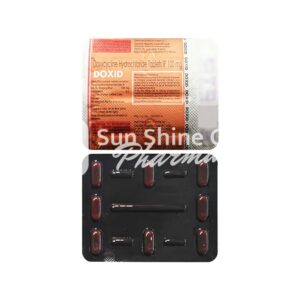
Doxycycline is a tetracycline-class antibiotic that doctors prescribe for a broad range of bacterial infections, from chest and skin infections to acne, and it is also used to help prevent malaria in travellers. One well-known brand is Vibramycin, and this page covers Doxycycline 100 mg tablets as offered by Sunshine Coast Pharmacy. Below you will find who Doxycycline suits, how to swallow it safely, what it can clash with, and how delivery works. The information comes from official product leaflets and is general, so your own doctor has the final say.
Doxycycline in brief
| Item | Detail |
|---|---|
| Medicine | Doxycycline, a tetracycline antibiotic |
| Brand name | Vibramycin, among others |
| Form | Tablets or capsules taken by mouth |
| Strength here | 100 mg |
| Packs here | Six sizes, from 30 up to 270 tablets |
| Targets | Many bacteria, and malaria parasites as prevention |
| Does not treat | Colds, flu and other viral illness |
| Main cautions | Sunlight, pregnancy, young children, minerals and antacids |
Is Doxycycline right for you?
Doxycycline is used for infections of the airways, including bronchitis and pneumonia from germs that respond to it, for certain sexually transmitted and urinary-related infections, for tick-borne and other unusual infections, for inflammatory acne and rosacea, and as malaria prevention in some regions. It does nothing for viral illness, so it will not help a cold or flu, and taking antibiotics when they are not needed contributes to resistance.
It should not be used in pregnancy or while breastfeeding, because tetracyclines can affect developing bones and teeth. Children under eight are generally not given Doxycycline for the same reason, since permanent tooth staining can result. It is also not for anyone allergic to doxycycline or other tetracyclines. Tell your doctor if you have liver disease, a swallowing problem, or a history of oesophagus irritation, or if you take any regular medicine. Before you begin Doxycycline, speak with your doctor, particularly if an infection is serious or you are unsure of the cause.
Do I need a prescription for Doxycycline?
Yes. Doxycycline is a prescription antibiotic, because the right dose and length depend on the infection. Your doctor decides if it is suitable and how long you should take it.
How to take Doxycycline
A common adult schedule for many infections is 200 mg on the first day, usually split into two 100 mg doses, then 100 mg a day after that. Acne regimens often use lower daily amounts for a longer period, and malaria prevention typically means 100 mg once daily beginning a day or two ahead of arriving in a risk area, carrying on while you are there, and for a month after you leave. Always follow the instructions on your own prescription, because courses differ.
Swallow each Doxycycline tablet whole with plenty of water while sitting or standing, and stay upright for at least half an hour afterwards. This helps stop the tablet lodging in the gullet, where it can cause painful ulcers. Avoid taking it right at bedtime. If the tablet upsets your stomach, take it with a meal; food slightly reduces absorption of Doxycycline, but that is better than skipping doses because of nausea. Keep doses evenly spaced across the day, and finish the full course even when you feel better, unless your doctor tells you otherwise.
Missed a dose? Take it once you notice, but if the next one is nearly due, skip it and carry on as usual. Do not double up. In a large overdose, ring 13 11 26 for poisons advice or attend an emergency department.
Spacing Doxycycline from minerals and antacids
Calcium, iron, magnesium, aluminium and zinc bind to Doxycycline in the gut and cut absorption. Keep a gap of two to three hours between Doxycycline and antacids, iron, calcium, magnesium or zinc supplements, taking the antibiotic first where possible.
What Doxycycline does in the body
Doxycycline stops bacteria from making proteins. It slips into the bacterial cell and attaches to the ribosome, the machinery that builds proteins, so the organism can no longer grow and multiply. Your immune system then clears the weakened bacteria. This is called a bacteriostatic action, as opposed to a medicine that directly kills the germ.
In acne and rosacea, Doxycycline is valued for a second effect: it dampens inflammation in the skin, which is why low doses can help even when bacteria are not the main problem. Against malaria, it acts on the parasite after it enters the body, which is why you need to continue it for weeks after you return.
Side effects to know about
The most frequent effects of Doxycycline involve the stomach: nausea, vomiting, mild diarrhoea, and heartburn. Taking tablets with water and a small meal usually settles this. A very important effect is sun sensitivity. Doxycycline can make skin burn quickly, so cover up, use sunscreen with a high protection rating and avoid sunbeds while you take it and for a few days after the last dose.
Other effects include a sore mouth, vaginal thrush, and a harmless dark or discoloured tongue. Call your doctor if you develop severe or bloody diarrhoea, which can follow any antibiotic and sometimes appears weeks later. Seek urgent help for a bad headache with vision changes, since pressure inside the skull has been reported with tetracyclines, and for difficulty or pain with swallowing, a severe rash or blistering, yellow skin or eyes, or swelling of the face and lips.
Doxycycline with other medicines, food and alcohol
Beyond the minerals mentioned above, several medicines deserve attention. Warfarin may become stronger, so clotting tests are usually checked more closely. Retinoids taken by mouth, including Isotretinoin
Drinking heavily on a regular basis shortens the time Doxycycline remains active, so a course may work less well; keep alcohol low or leave it out until you finish. Calcium, iron and antacid products should be separated from the tablet, as explained above; a normal meal is fine.
Choosing between Doxycycline and similar medicines
Doxycycline is often compared with other tetracyclines and with penicillin-type or macrolide antibiotics. Minocycline is a close relative sometimes chosen for acne, while tetracycline itself needs more frequent dosing. Amoxicillin-type medicines suit different bacteria and are often preferred for throat or ear infections. Azithromycin and similar macrolides may be used where a tetracycline is unsuitable, such as in pregnancy. Doxycycline stands out for covering unusual organisms and for being taken once or twice a day. The brand Vibramycin
Strengths and packs of Doxycycline at Sunshine Coast Pharmacy
Sunshine Coast Pharmacy lists Doxycycline in a 100 mg strength, in six pack sizes that run from 30 to 270 tablets. The price of each pack is shown on the product card. A short course suits a small pack, whereas the larger sizes cover longer treatment such as acne management or extended travel prevention, provided your doctor has planned for that. Check the prescribed tablet count before you order Doxycycline.
Keeping Doxycycline at home
Keep Doxycycline in its original packaging, in a cool, dry place away from light and moisture, and out of reach of children. Do not store it in a bathroom or a hot car. Expired tetracycline tablets should not be taken, as degraded product can be harmful, so return any leftovers to a pharmacy for disposal and do not save them for the next illness.
Shipping Doxycycline within Australia
Orders go out by one of two methods. Trackable delivery is estimated at 7–14 days and carries a charge of about AUD 45; a tracking number arrives by email so you can follow your parcel. Airmail is estimated at 14–22 days and is free once an order passes about AUD 300. Packaging is discreet and gives no hint of the contents. As these are only estimates, do not wait until your last Doxycycline tablet before ordering, particularly when you need a fixed course started on time.
Common questions about Doxycycline
Is Vibramycin the same as Doxycycline?
Vibramycin is one brand; Doxycycline is the ingredient inside. They act the same way, though tablet shape and inactive ingredients may differ.
Can Doxycycline treat a cold or the flu?
No. Those are viral, and Doxycycline only works on bacteria and certain parasites. Using it unnecessarily does more harm than good.
Should I take Doxycycline with food?
Use a full glass of water, and add a light meal if your stomach objects. Keep antacids, iron and calcium or magnesium supplements away from the tablet.
How long does a course of Doxycycline last?
It depends on the condition: some infections need about a week, acne may need many weeks, and malaria prevention runs for the whole trip plus four weeks. Follow your prescription.
Can I sunbathe while taking Doxycycline?
Take care. Doxycycline makes skin react to light, so cover up, use sunscreen and skip tanning beds.
Will Doxycycline affect my contraceptive pill?
Current evidence points to little effect, but older leaflets advise caution. Check your own leaflet and ask your pharmacist.
A final word on safety
Doxycycline is a dependable antibiotic when it is used for the right infection and taken the right way. Swallow it upright with plenty of water, protect your skin from the sun, keep mineral supplements and antacids apart, and finish what your doctor prescribed. If symptoms get worse, or a new problem appears while you take Doxycycline, contact your doctor or pharmacist promptly.