Mobic
In brief
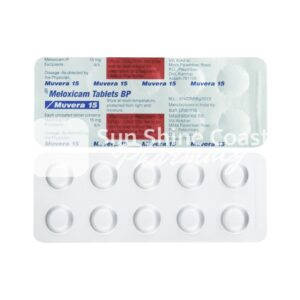
Meloxicam is a non-steroidal anti-inflammatory medicine used to relieve arthritis pain and stiffness. It reduces inflammatory prostaglandins, but can still cause stomach, kidney and cardiovascular side effects.
Critical Warnings & Restrictions
The use of Mobic (meloxicam) carries critical warnings, especially for specific high-risk groups that necessitate careful consideration and potentially adjusted dosing. Elderly patients, pregnant women, and individuals with chronic illnesses are at greater risk of adverse effects and require diligent monitoring.
High-Risk Groups
Monitoring dosage and frequency is crucial for the following groups due to the heightened likelihood of side effects:
- The Elderly: Age 65 and above.
- Pregnant Women: Any stage of pregnancy.
- Individuals with Chronic Illnesses: Conditions such as hypertension, diabetes, liver disease, or renal impairment.
Dosage adjustments may be necessary. Starting doses should typically be at the lower end of the spectrum, and ongoing assessments are vital to manage health risks effectively. Special attention must also be paid to potential interactions that may arise from other concurrent medications.
Interaction With Activities
When considering engagement in activities, it’s important to recognise that Mobic may impact cognitive and motor functions, potentially affecting tasks like driving and workplace safety. The Therapeutic Goods Administration (TGA) outlines the need for caution.
Before engaging in activities requiring alertness, consider the following precautions:
- Assess how you feel after taking Mobic; if you experience drowsiness or dizziness, avoid driving.
- Limit alcohol intake, as it can heighten side effects.
- Inform your employer if medication affects your performance at work.
Q&A — “Can I Drive After Taking It in Australia?”
Driving after taking Mobic is a nuanced topic. While some may not experience significant side effects, individual reactions vary widely. TGA guidelines suggest evaluating one’s response to the medication before deciding to drive. If there is uncertainty or a history of adverse reactions, it is prudent to refrain from driving until confidence is restored in one’s alertness and capability.
It’s crucial to stay informed about how Mobic interacts with both your overall health and daily activities; understanding the implications enhances safety and well-being.
Access & Purchase Options
Mobic is widely accessible across Australia, particularly within major pharmacy chains like Chemist Warehouse, Priceline, and TerryWhite. This gives individuals the chance to secure this anti-inflammatory medication with ease.
While availability tends to be consistent in urban areas, there may be regional variations when it comes to pricing or stock. Rural pharmacy options might offer Mobic at differing rates due to logistical costs or supply chains.
Online pharmacies and telehealth e-prescriptions
Telehealth services have become game-changers for prescribing medications like Mobic. Patients can now receive e-prescriptions after virtual consultations with doctors, making it even more convenient to manage conditions like arthritis or acute pain.
Safety is paramount with online pharmacies, regulated to ensure they meet Australian standards. These regulatory measures protect consumers from counterfeit products, providing peace of mind when purchasing Mobic online.
Mechanism & Pharmacology
Mobic, known generically as meloxicam, operates as a non-steroidal anti-inflammatory drug (NSAID). Shortly after ingestion, it targets inflammation at the site of pain by inhibiting specific enzymes (cyclooxygenases) that play a critical role in producing inflammatory chemicals called prostaglandins.
The inhibition of these enzymes helps to alleviate pain and reduce inflammation, making it effective for conditions such as osteoarthritis and rheumatoid arthritis. By precisely blocking these pathways, Mobic helps individuals experience less discomfort in their daily lives.
Clinical terms
- NSAID: Non-steroidal anti-inflammatory drugs are a class of medications that reduce inflammation, pain, and fever.
- Prostaglandins: These are lipid compounds that have various roles, including promoting inflammation and pain in response to injury.
- Cyclooxygenases (COX): Enzymes responsible for the formation of prostaglandins, which mediate inflammatory responses in the body.
Indications & Off-Label Uses
Approved indications by TGA
According to the Therapeutic Goods Administration (TGA) in Australia, Mobic is primarily indicated for:
- Osteoarthritis
- Rheumatoid arthritis
- Acute pain conditions
Off-label uses in Australian clinical practice
In clinical settings, medical professionals sometimes prescribe Mobic off-label for additional pain management, such as in cases of gout or chronic back pain. This usage is supported by expert opinions and clinical experiences, enhancing its versatility as a treatment option.
Key Clinical Findings
Recent studies conducted between 2022 and 2025 shed light on the efficacy and safety profile of Mobic. Findings from both Australian and international research have highlighted several key points:
- Mobic effectively reduces pain and inflammation in individuals with osteoarthritis.
- The risk of gastrointestinal side effects is lower compared to some traditional NSAIDs.
- Patients generally tolerate Mobic well, with most experiencing mild to moderate side effects.
- Long-term use of Mobic remains under scrutiny, emphasising the need for regular reassessment of patient conditions.
- Clinical trials have shown promising results in managing acute pain, expanding its application in pain management.
Alternatives Matrix
PBS-listed alternatives comparison table
| Drug/Brand | Type | Key Distinction |
|---|---|---|
| Mobic | NSAID | Meloxicam formulation, suitable for chronic pain management. |
| Celecoxib (Celebrex) | COX-2 NSAID | More selective COX-2 inhibitor, lower gastrointestinal risk. |
| Diclofenac (Voltaren) | NSAID | Higher cardiovascular risk compared to Mobic. |
Pros and cons checklist
When considering Mobic and its alternatives, here’s a concise checklist for both clinicians and patients:
- Pros of Mobic:
- Effective pain relief.
- Lower risk of gastrointestinal side effects.
- Once-daily dosing.
- Cons of Mobic:
- Potential kidney impact in long-term use.
- Not suitable for patients with certain contraindications.
Common Questions
Patients often have numerous questions about Mobic (meloxicam) during pharmacy consultations. Common concerns include:
- Are Mobic and meloxicam the same thing? Yes, Mobic is a brand name for the generic drug meloxicam.
- Can I take Mobic with ibuprofen? It’s best to avoid taking them together as they both belong to the NSAID class, increasing the risk of side effects.
- Does Mobic cause constipation or diarrhea? Both side effects are possible, so monitoring during treatment is essential.
- Can I drink alcohol while taking Mobic? Alcohol can increase the risk of gastrointestinal issues, so moderation is advised.
- What’s the best time to take Mobic? Taking it at the same time each day helps maintain even levels in your body.
Suggested Visual Content
Visual aids can significantly enhance understanding of Mobic. Consider developing:
- Infographics: Summarise pricing under the Pharmacy Benefits Scheme (PBS) for easy reference.
- Pharmacy Network Access: Create a visual guide outlining where to find Mobic across various pharmacy networks.
These tools can aid patients in making informed choices regarding their medication and costs.
Registration & Regulation
TGA Approval
The Therapeutic Goods Administration (TGA) plays a crucial role in regulating Mobic in Australia. Approval ensures that Mobic is both safe and effective for patients managing conditions like osteoarthritis and rheumatoid arthritis. However, there are risks associated with its use, including potential gastrointestinal issues and cardiovascular risks, necessitating careful patient screening.
PBS Subsidy Details
Under the Pharmaceutical Benefits Scheme (PBS), Mobic is accessible at subsidised prices, making it more affordable for patients. For eligible patients, the co-payment significantly reduces overall costs. The PBS listing ensures that meloxicam remains a preferred choice for many, balancing cost and access. This subsidy ultimately aids those with chronic conditions in maintaining their medication regimen without financial strain.
Storage & Handling
Household Storage in Australian Climate
Proper storage of Mobic is vital, especially considering Australia’s varying climate conditions. It should be stored in a cool, dry place, away from direct sunlight. Key points include:
- Temperature: 20–25°C is ideal.
- Avoid humidity: Keep it sealed to protect from moisture.
- Always check expiration dates before use.
Maintaining these conditions ensures medication efficacy.
Cold-Chain Handling for Pharmacies
Pharmacies must adhere to strict cold-chain guidelines when handling Mobic. It should be stored at controlled room temperatures and shielded from heat sources. Key handling requirements include:
- Monitoring: Regular temperature checks of storage areas.
- Transport: Ensure the medication remains within the required temperature during delivery.
- Training: Staff should be trained in proper handling practices to ensure medication safety.
These measures ensure that the quality of Mobic is maintained for patient safety.
Guidelines for Proper Use
Australian Pharmacist Counselling Style
Pharmacists play a key role in educating patients about Mobic use. Discussions often involve:
- Side Effects: Patients should be made aware of potential gastrointestinal issues, dizziness, and fatigue.
- Drug Interactions: Caution against combining with other NSAIDs or anticoagulants.
- When to Seek Help: Advising patients on recognising signs of serious side effects, such as unusual bleeding or persistent nausea.
By fostering an open dialogue, pharmacists can support safe medication practices.
Patient Advice from PBS and National Health Authorities
The PBS and other national health authorities provide vital resources for safe Mobic use. Key advice includes:
- Starting with the lowest effective dose.
- Regular monitoring for side effects, especially in elderly patients.
- Utilising printed materials to reinforce information discussed during consultations.
These initiatives empower patients to use Mobic safely and effectively, enhancing their health outcomes.
Delivery Times for Major Cities
| City | Region | Delivery Time |
|---|---|---|
| Sydney | NSW | 5–7 days |
| Melbourne | VIC | 5–7 days |
| Brisbane | QLD | 5–7 days |
| Perth | WA | 5–7 days |
| Adelaide | SA | 5–7 days |
| Gold Coast | QLD | 5–9 days |
| Cairns | QLD | 5–9 days |
| Canberra | ACT | 5–9 days |
| Newcastle | NSW | 5–9 days |
| Wollongong | NSW | 5–9 days |
| Geelong | VIC | 5–9 days |
| Hobart | TAS | 5–9 days |